.svg)
.svg)
.svg)
Privacy in Your Hands: Consumer Rights in California's Data Laws
Learn key consumer rights under California privacy laws and how businesses can strengthen compliance ccpa through updated policies and data practices.
Accorp Compliance Team
Our team of compliance experts specializes in PCI DSS, SOC 2, and other security frameworks to help businesses achieve and maintain compliance.
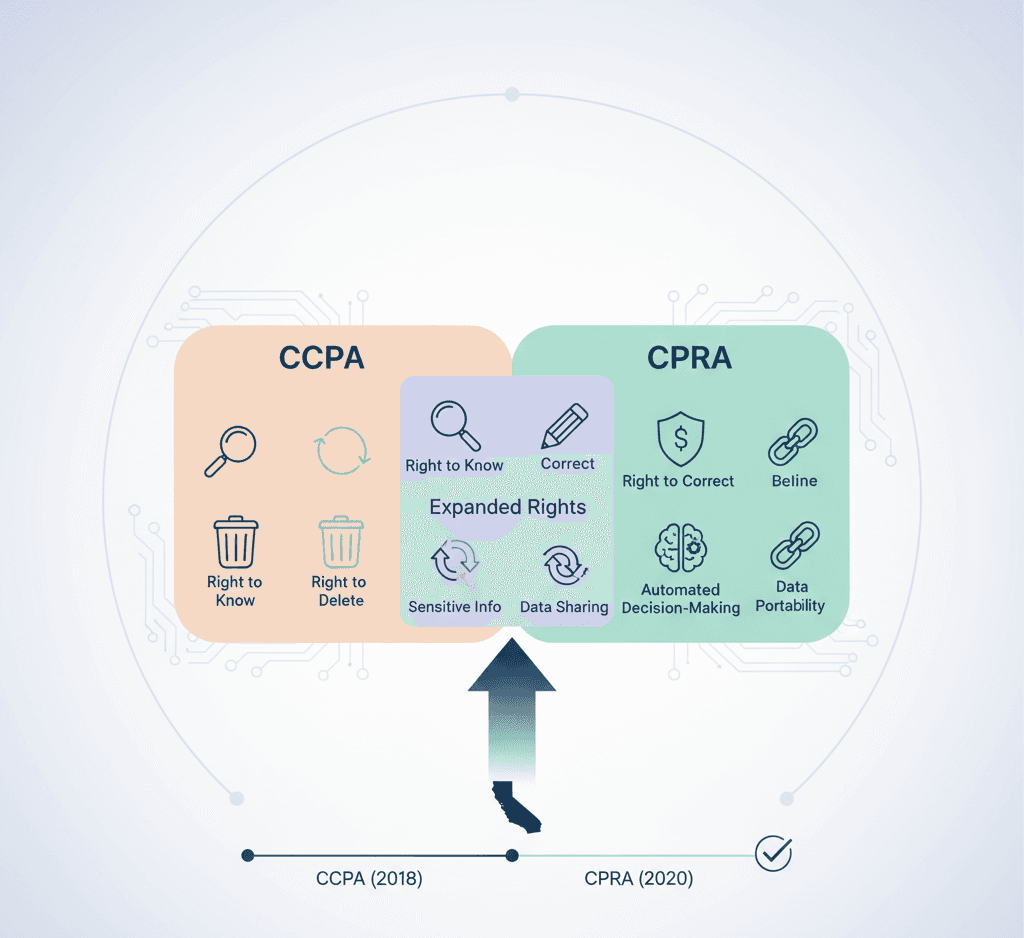
As data privacy laws evolve, businesses must keep pace — especially those operating in California. The California Consumer Privacy Act (CCPA), as amended by the California Privacy Rights Act (CPRA), grants consumers powerful rights over their personal data and places strict obligations on businesses. Whether you’re building a CCPA-compliant privacy policy or working through a CCPA CPRA compliance checklist, understanding consumer rights is key to remaining compliant and trustworthy in your data handling practices. Conducting a CPRA readiness assessment and maintaining CPRA data mapping ensures your business meets ongoing regulatory requirements.
Who Must Comply with the CCPA (CPRA)?
The CCPA (CPRA) applies to for-profit businesses that operate in California and meet any of the following thresholds:
Generate annual gross revenue over $25 million
Buy, receive, or sell the personal data of 100,000 or more California residents, households, or devices
Earn 50% or more of their annual revenue from selling or sharing personal information
Even if your business isn't physically located in California, you may still fall under CPRA compliance if you collect data from California residents. Hence, a robust compliance CCPA strategy is critical for most modern businesses.
What Counts as Personal Information?
Under the CPRA, personal information refers to any data that can identify a person or household. This includes:
Name, address, email, phone number
IP address or geolocation data
Social security number
Biometric or health-related data
Online identifiers and browsing history
Businesses must inform consumers of the categories of personal data they collect and the purpose for doing so, forming part of a strong CCPA data compliance program.
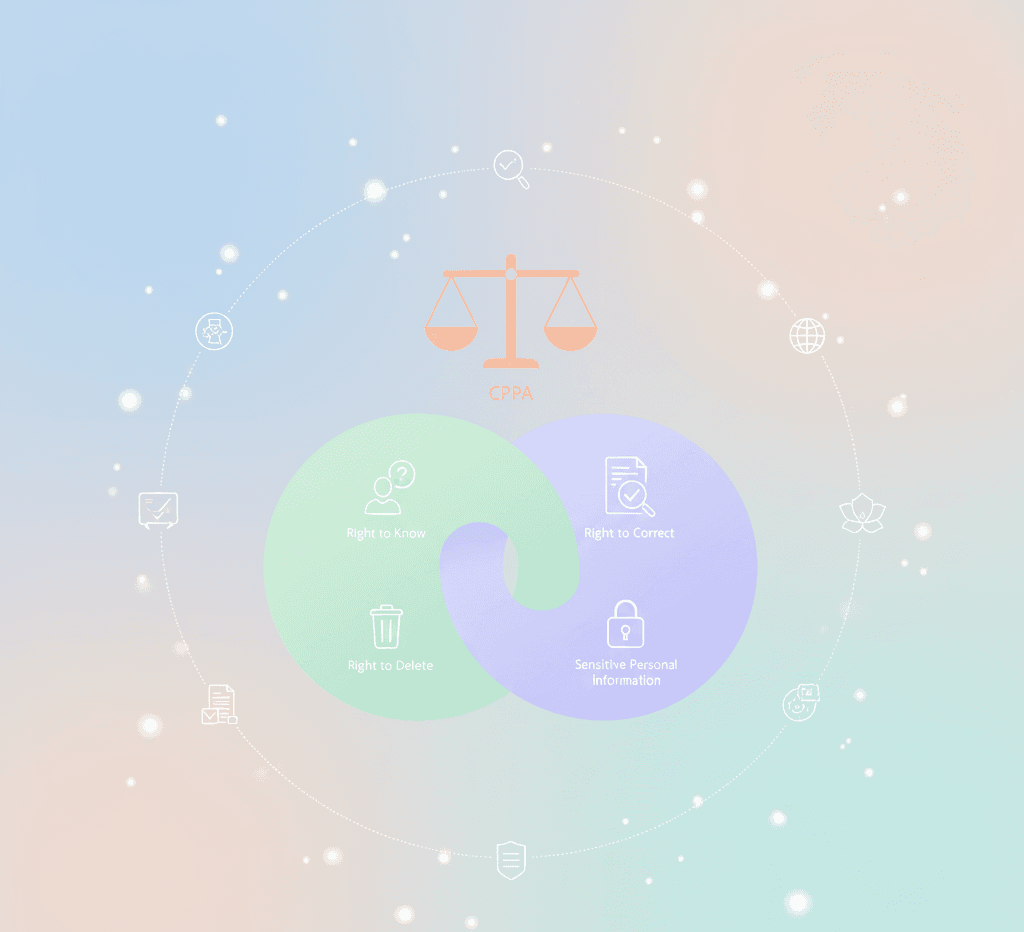
Key Consumer Rights Under CCPA and CPRA
To ensure CRPA compliance, businesses must address each consumer right transparently in their privacy policies and internal data handling procedures.
Right to Know What Data Is Collected - Consumers have the right to know what categories of personal data a business collects, the purposes of collection, and any third parties it shares with. A CCPA-compliant privacy policy must outline:
What data is collected
Why is it collected
How long is it retained?
Who it's shared with
Right to Access Personal Data - Californians can request access to the specific personal data a business has collected. Businesses must verify the request and provide the data in a readable format, often within 45 days.
Right to Correct Inaccurate Information - The CPRA grants consumers the ability to request corrections to any inaccurate personal information a business holds. Companies must make a reasonable effort to verify and correct the information unless doing so would be unreasonably burdensome.
Right to Delete Personal Information - Consumers can request the deletion of their data, including data collected by the business or shared with third parties. Businesses must provide clear instructions on initiating deletion requests and must honour these unless legal exemptions apply.
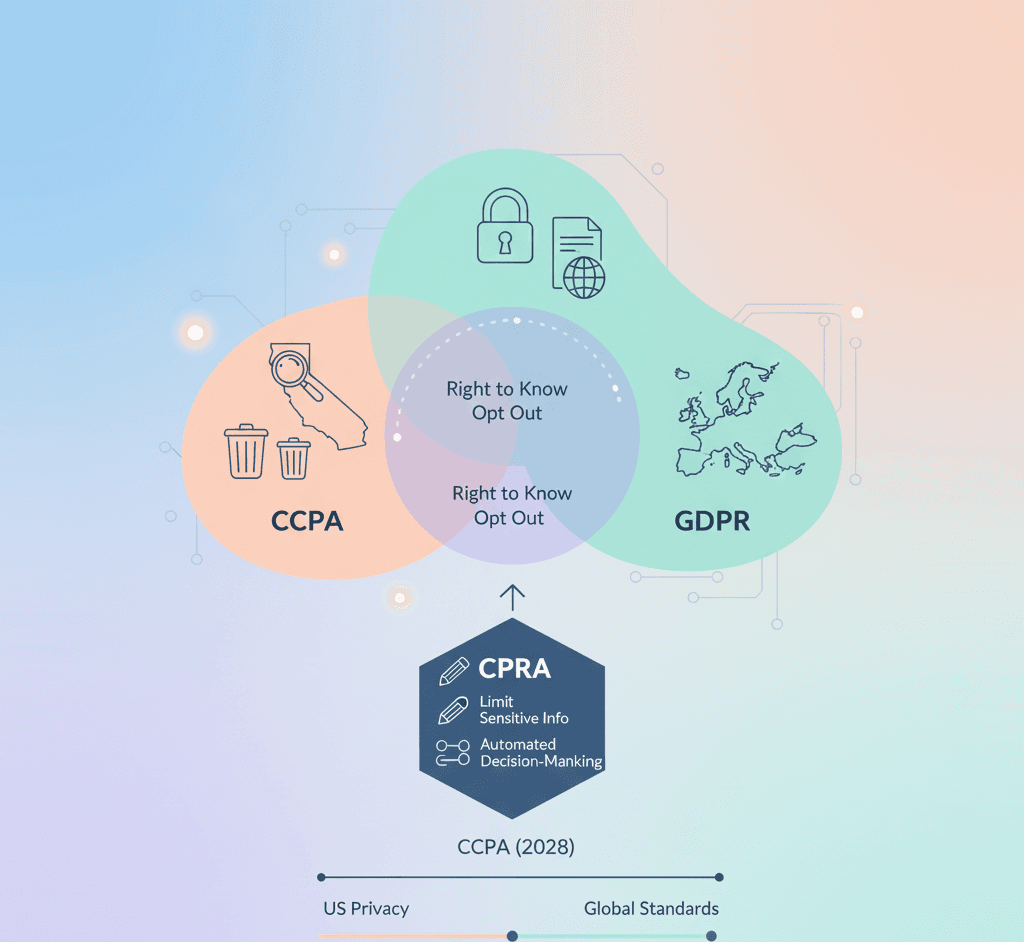
Right to Opt Out of Sale or Sharing of Personal Data - One of the most powerful rights under CCPA/CPRA is the ability to opt out of the sale or sharing of personal information. Once a consumer opts out, the business may not ask for consent again for at least 12 months.
Right to Limit Use of Sensitive Information - Sensitive data — such as race, religion, health data, or geolocation — requires special handling under the CPRA. Consumers can limit how this information is used beyond what’s necessary to provide a service.
Right to Data Portability - Consumers can request their data in a portable, machine-readable format and request transfer to another service provider. Integrating CPRA data mapping is essential to ensure accuracy.
Right to Opt Out of Automated Decision-Making - The CPRA allows users to opt out of automated decision-making processes used in profiling, credit checks, or other significant decisions. This ensures more transparency and human oversight in how data affects consumers.
Right to Non-Discrimination - Businesses cannot retaliate or discriminate against consumers who exercise their privacy rights. No denial of goods/services, price changes, or lower-quality service for consumers who opt out.
Right to Opt In for Minors - Children under 16 require affirmative opt-in consent before a business can sell or share their data. For children under 13, this consent must come from a parent or guardian.
How Businesses Can Stay Compliant
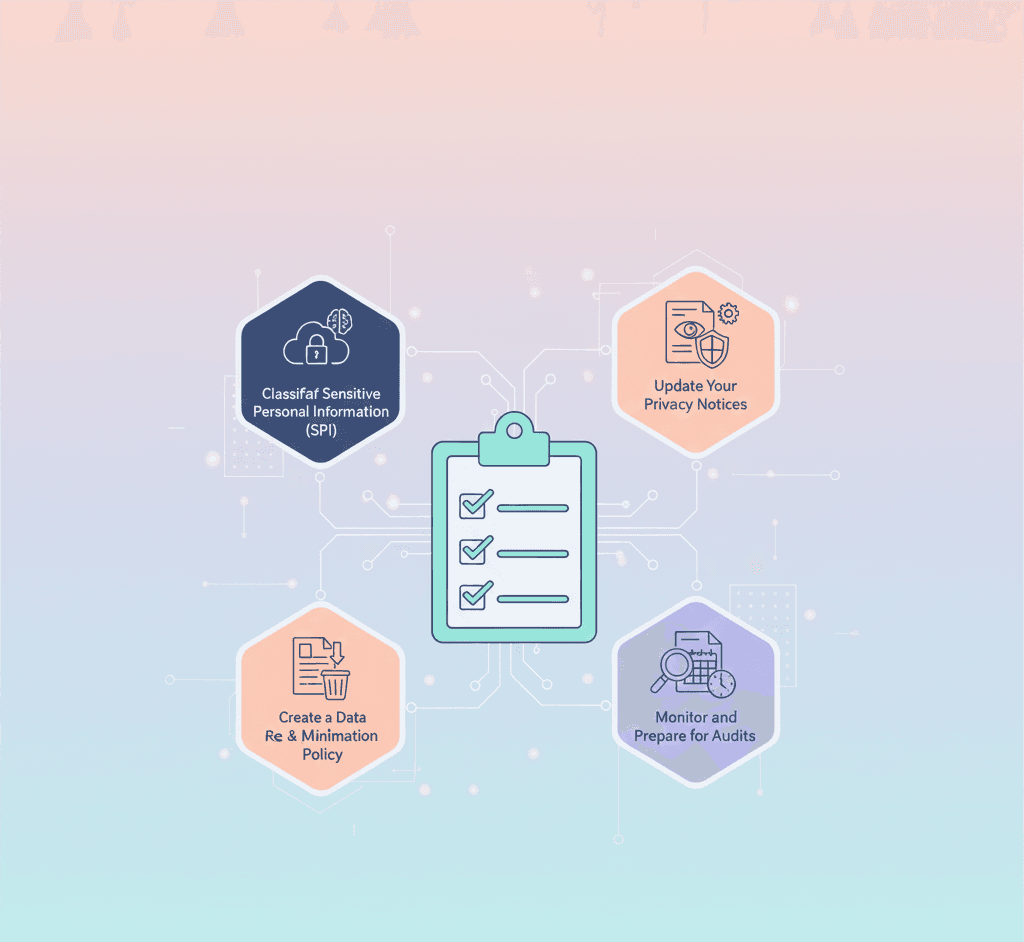
Ensuring compliance with CCPA requires more than updating a privacy policy. Businesses should take the following steps:
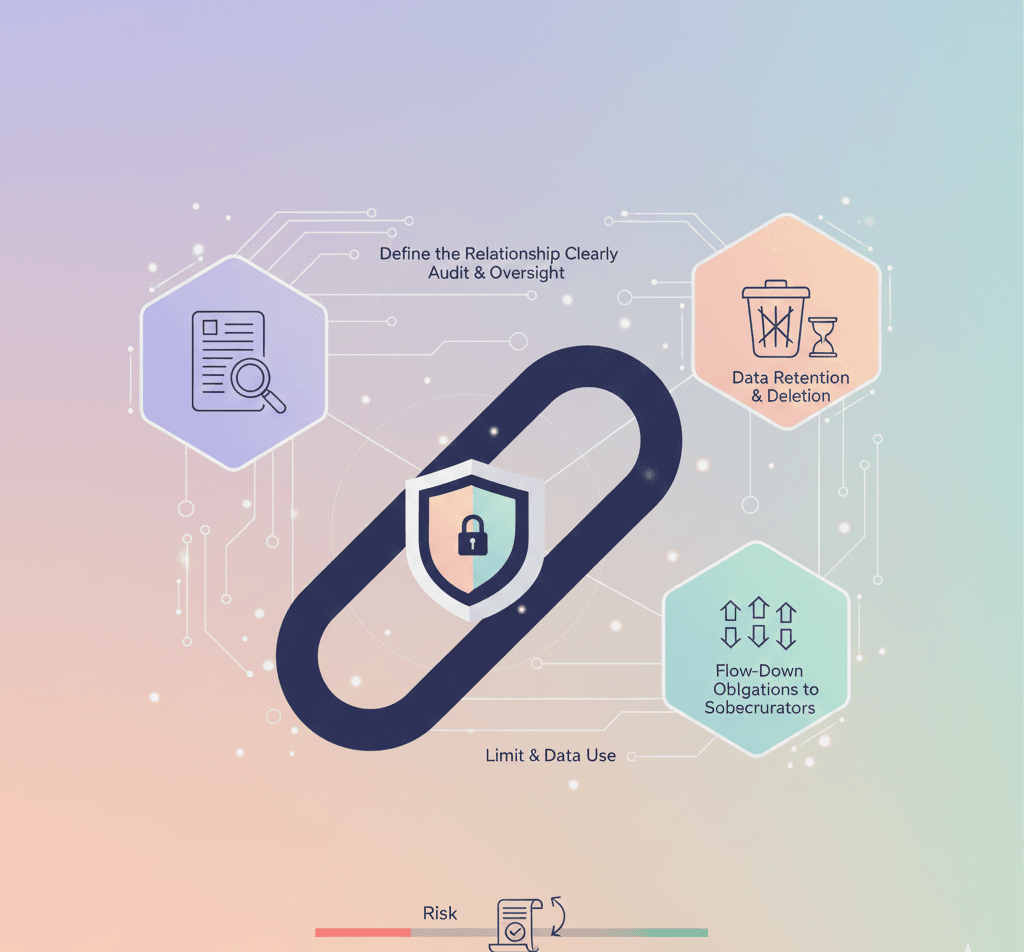
Complete a CCPA CPRA Compliance Checklist: Identify personal data, audit vendors and data-sharing practices, create internal protocols for consumer requests, and update website notices.
Update Your Privacy Policy: Include clear explanations of each right and how users can exercise them. This forms the foundation of your CCPA compliance privacy policy.
Implement Technology Tools: Use tools that flag, redact, or delete sensitive personal information upon request. Platforms like Accorp help automate and monitor compliance tasks to reduce legal risk.
Train Your Staff: Marketing, customer service, and operations teams must understand CPRA requirements and how to respond to consumer rights requests.
The CPRA has raised the bar for consumer privacy in the U.S. — and businesses that proactively prepare will reduce legal risk while building stronger customer trust. More states are likely to follow California’s lead. Start aligning your data practices with compliance with CCPA requirements now to stay ahead of regulatory shifts.