.svg)
.svg)
.svg)
Understanding CPRA and CCPA: Key Differences Explained
Learn the key CPRA updates, new consumer rights, and vendor rules to strengthen your compliance ccpa strategy and stay aligned with California privacy law.
Accorp Compliance Team
Our team of compliance experts specializes in PCI DSS, SOC 2, and other security frameworks to help businesses achieve and maintain compliance.
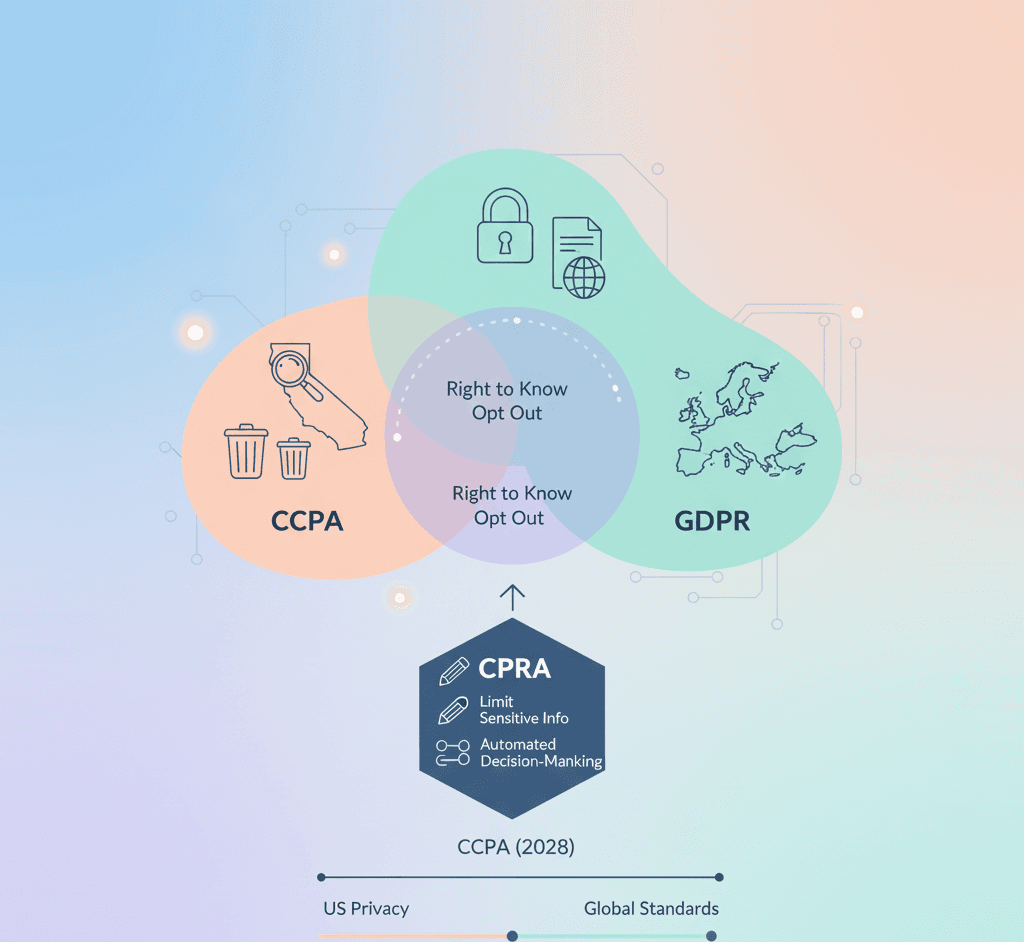
California has led the charge in U.S. consumer data privacy, and businesses operating in the state—or handling data of California residents—must comply with stringent regulations. With the California Privacy Rights Act (CPRA) amending the earlier California Consumer Privacy Act (CCPA), it's essential to understand how these changes affect your CCPA compliance obligations.
Whether you're reviewing your CCPA-compliant privacy policy or updating your CCPA compliance checklist, this guide outlines what’s new, what’s expanded, and what your business must do to remain compliant.
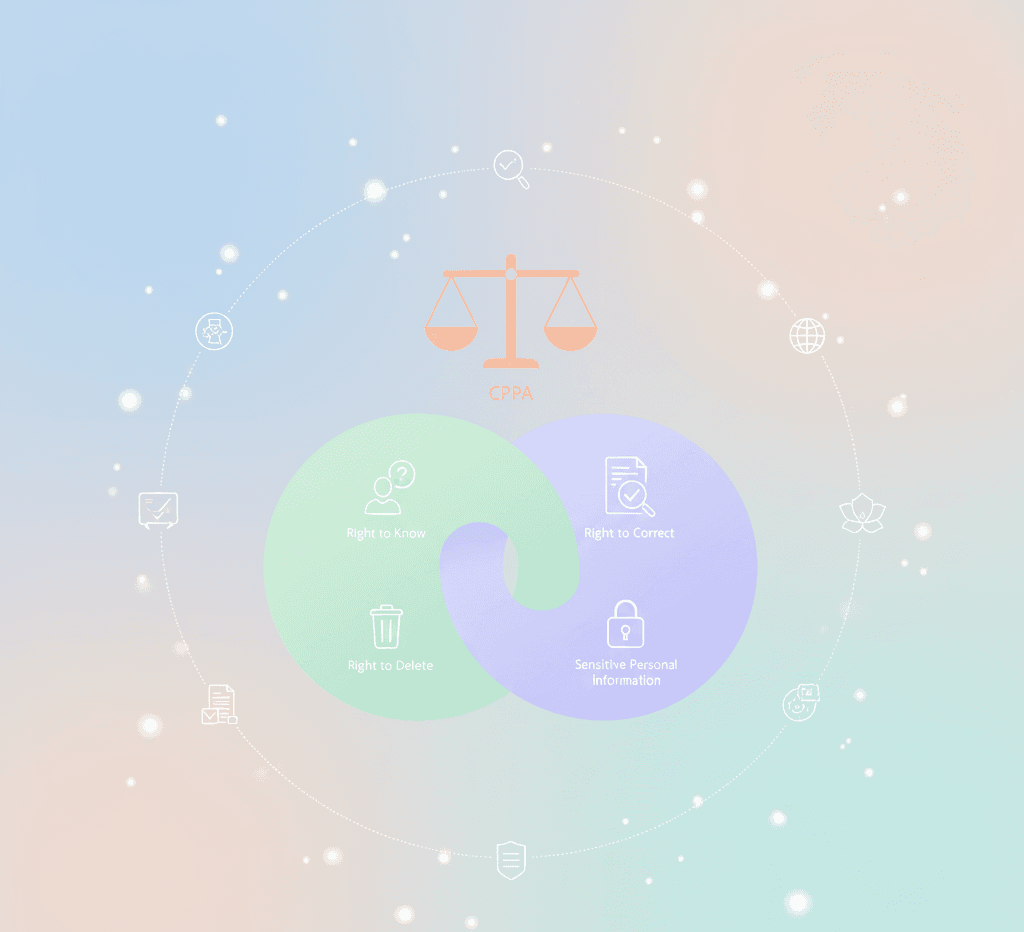
New Consumer Rights Under the CPRA
The CPRA introduces four key rights that enhance consumer control over their personal information:
1. Right to Correct Inaccurate Data - Consumers now have the right to request correction of any inaccuracies in the personal data a business holds about them. This places additional responsibility on businesses to maintain accurate, up-to-date records—a key element in ccpa data compliance.
2. Right to Limit Use of Sensitive Personal Information (SPI) - If your business collects sensitive personal information—including geolocation, race, religion, financial credentials, or health data—consumers can request that this information only be used for services or goods that are “reasonably expected” by an average consumer. This right underscores the importance of cpra compliance and accurate cpra data mapping.
3. Right to Access and Opt-Out of Automated Decision Making
Consumers may now:
Request insight into how automated systems affect decisions related to their employment, finances, health, or behaviour.
Opt out of such automated profiling altogether.
4. Right to Data Portability - Consumers can request that their personal data be transferred directly from your organisation to another business, promoting greater interoperability and control.
Expanded Consumer Rights
The CPRA also expands on rights already established under the CCPA.
1. Right to Know (Now Includes Shared Data)
Under the compliance CCPA, consumers could request details on collected or sold personal data. With the CPRA, this now includes data that’s shared—not just sold. This revision further strengthens CPRA vs CCPA distinctions.
2. Right to Opt Out of Data Sharing
Previously, consumers could only opt out of data sales. Now, sharing—defined as any transfer to third parties (even without financial compensation)—triggers ccpa cpra compliance. This significantly broadens obligations for many companies.
3. Right to Delete (Now Applies to Third Parties)
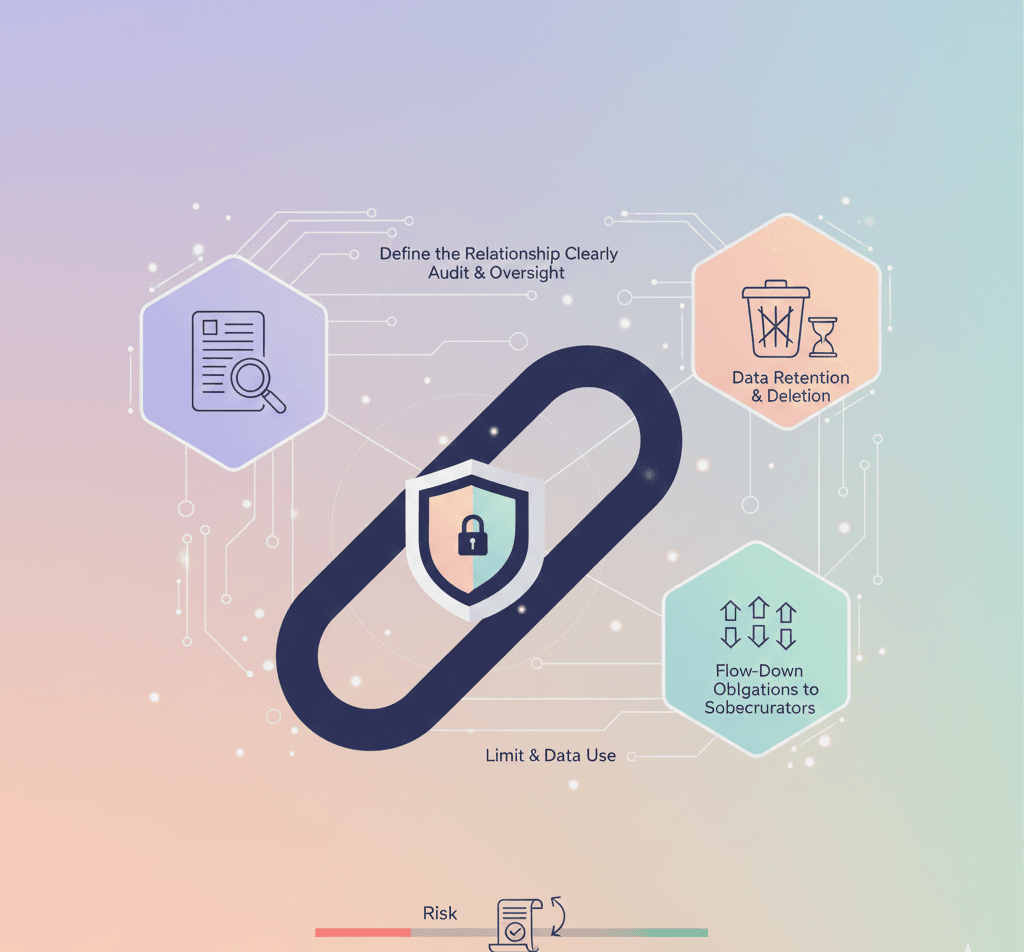
When a consumer requests data deletion, your business must now also instruct third-party vendors to delete it—unless exempted. This impacts your vendor contracts and your CCPA-compliant privacy policy.
4. Stricter Opt-In Rules for Minors
If a minor (under 16) opts out of data sharing or selling, your business must wait 12 months before asking again. This adds complexity to your CCPA compliance program, especially in youth-targeted services.
What Counts as Sensitive Personal Information?
The CPRA introduces Sensitive Personal Information (SPI), including:
SSNs, driver's license, or passport numbers
Financial account info
Biometric or genetic data
Precise geolocation
Health, race, or religious beliefs
Email/message content
Managing SPI is now integral to CRPA compliance and your CCPA data compliance processes.
Meet the California Privacy Protection Agency (CPPA)
A major change under CPRA is the creation of the California Privacy Protection Agency (CPPA)—the enforcement authority for CCPA compliance.
The CPPA:
Conducts audits
Investigates non-compliance
Issues new regulations
Businesses should regularly review their cpra readiness assessment to stay on top of evolving guidance.
No More 30-Day Cure Period
Under CCPA, businesses had 30 days to “cure” violations. The CPRA removed this grace period. Corrective action is now discretionary, and penalties may apply immediately—another key development in the cpra vs CCPA landscape.
Expanded Private Right of Action
Private lawsuits now apply to breaches involving login credentials, emails with passwords, or security answers—making CCPA compliance even more vital.
Higher Thresholds for Applicability
To fall under CPRA, a business must meet at least one:
Gross annual revenue over $25 million
Buys/sells/shares data of 100,000+ Californians
Earns 50%+ of revenue from selling/sharing data
Even if you're below these limits, proper CCPA compliance checklist planning remains essential if data privacy becomes core to your business model.
Stricter Third-Party Contract Requirements
If your business shares data with vendors, new CPRA rules mean your contracts must:
State the purpose of data use
Ensure ongoing CCPA compliance
Require third-party breach notifications
Include compliance verification rights
This should be reflected in your updated CCPA-compliant privacy policy and vendor agreements.
Is Your Business CPRA Ready?
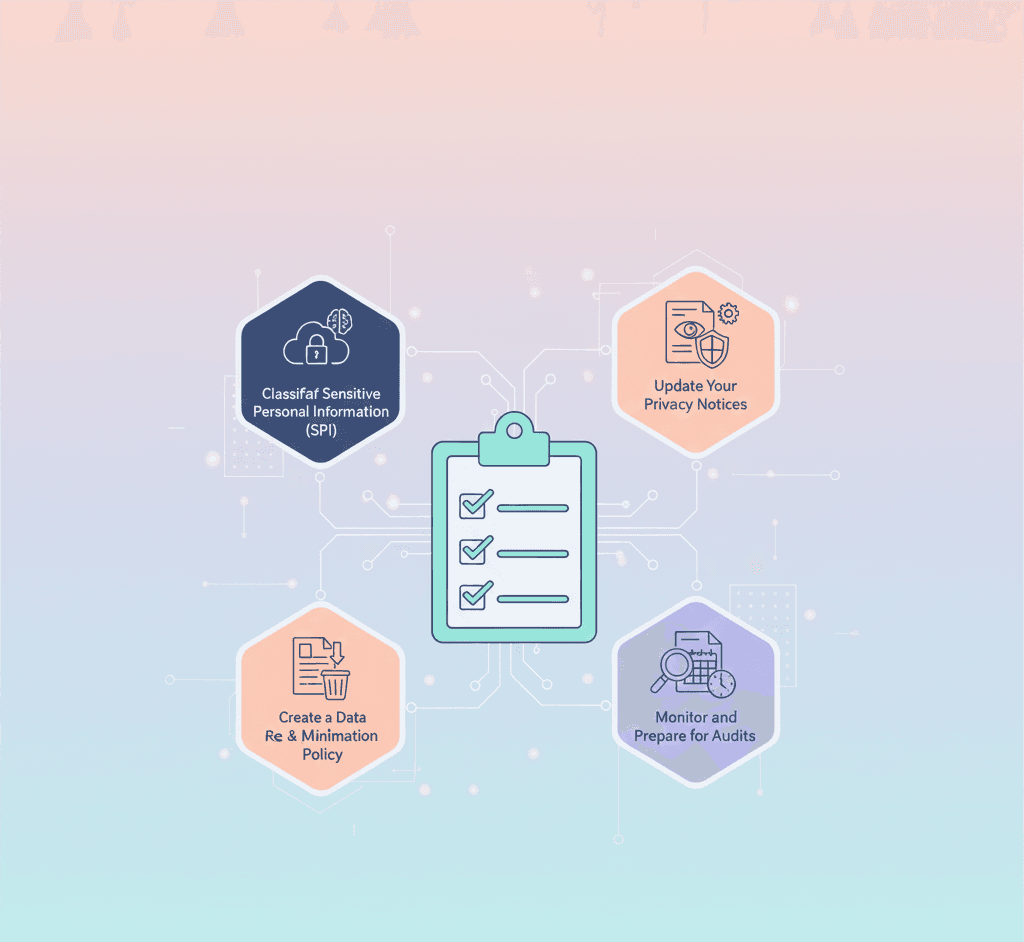
The evolution from CCPA to CPRA means businesses need more than basic privacy notices—they need a robust, operational CCPA data compliance plan.
At Accorp, we help companies modernise their privacy operations to align with California’s latest regulations. Whether you need a full CCPA compliance checklist, third-party contract support, or an updated CCPA compliance privacy policy, our experts are here to help.