.svg)
.svg)
.svg)
CPRA Compliance Checklist: Key Steps for Businesses in 2025
Stay audit-ready with key steps to enhance crpa compliance, update privacy notices, manage SPI, and strengthen vendor and data retention controls.
Accorp Compliance Team
Our team of compliance experts specializes in PCI DSS, SOC 2, and other security frameworks to help businesses achieve and maintain compliance.
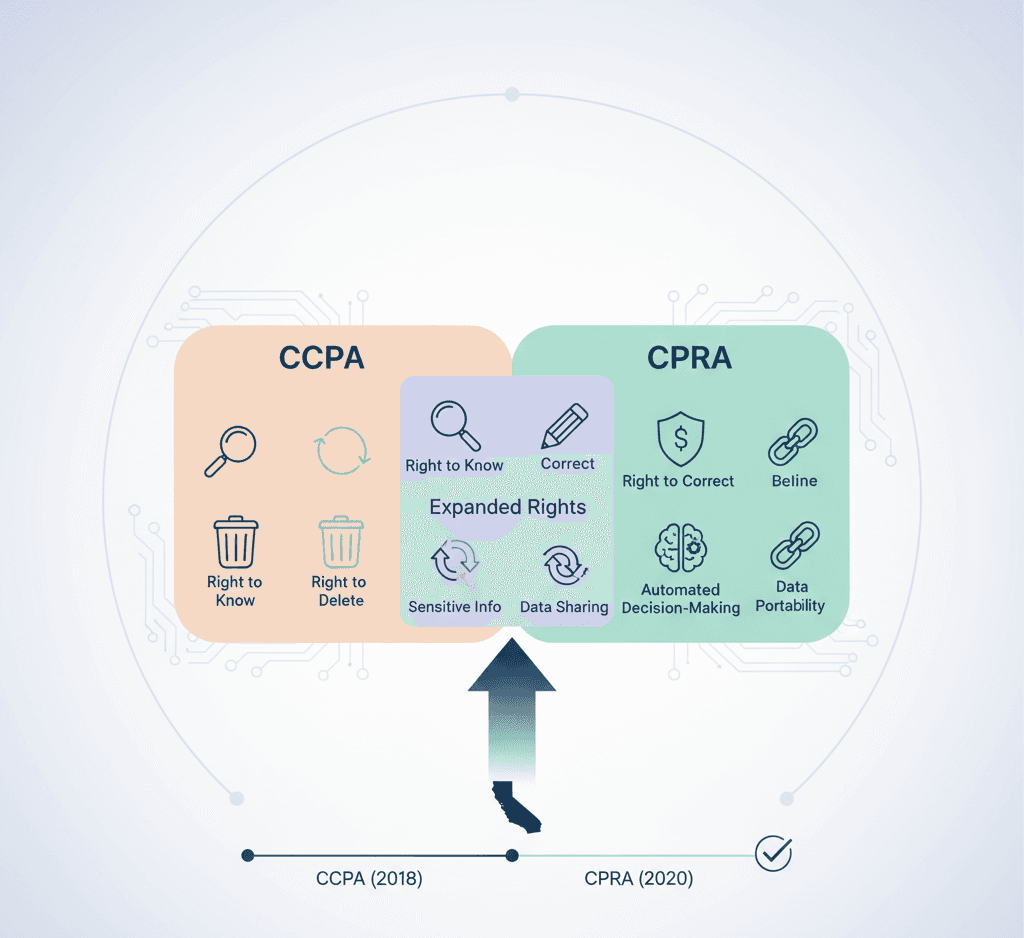
California’s privacy laws are setting the tone for data protection in the U.S. The California Consumer Privacy Act (CCPA) created a baseline, but the California Privacy Rights Act (CPRA) raised the bar — dramatically. Now that enforcement is active, businesses in 2025 can’t afford to treat CCPA compliance as a “nice-to-have.” Instead, it’s a legal necessity — and a trust-building opportunity.
Whether you’re building out a CCPA compliance checklist or updating your internal controls, here’s your essential CPRA readiness guide for the year ahead.
1. Update Your Privacy Notices
Consumers must understand what you collect, why you collect it, and how you use it. CPRA requires clear and accessible privacy notices, including updates for new rights like correction and opt-out of sharing. This is core to maintaining a CCPA-compliant privacy policy.
2. Classify Sensitive Personal Information (SPI)
Data like Social Security numbers, financial details, precise geolocation, and health records now fall under stricter handling rules. Under CPRA, you must provide consumers with a “Limit the Use of My Sensitive Information” option. This classification is crucial for CCPA data compliance and proper CPRA data mapping.
3. Build Correction and Opt-Out Workflows
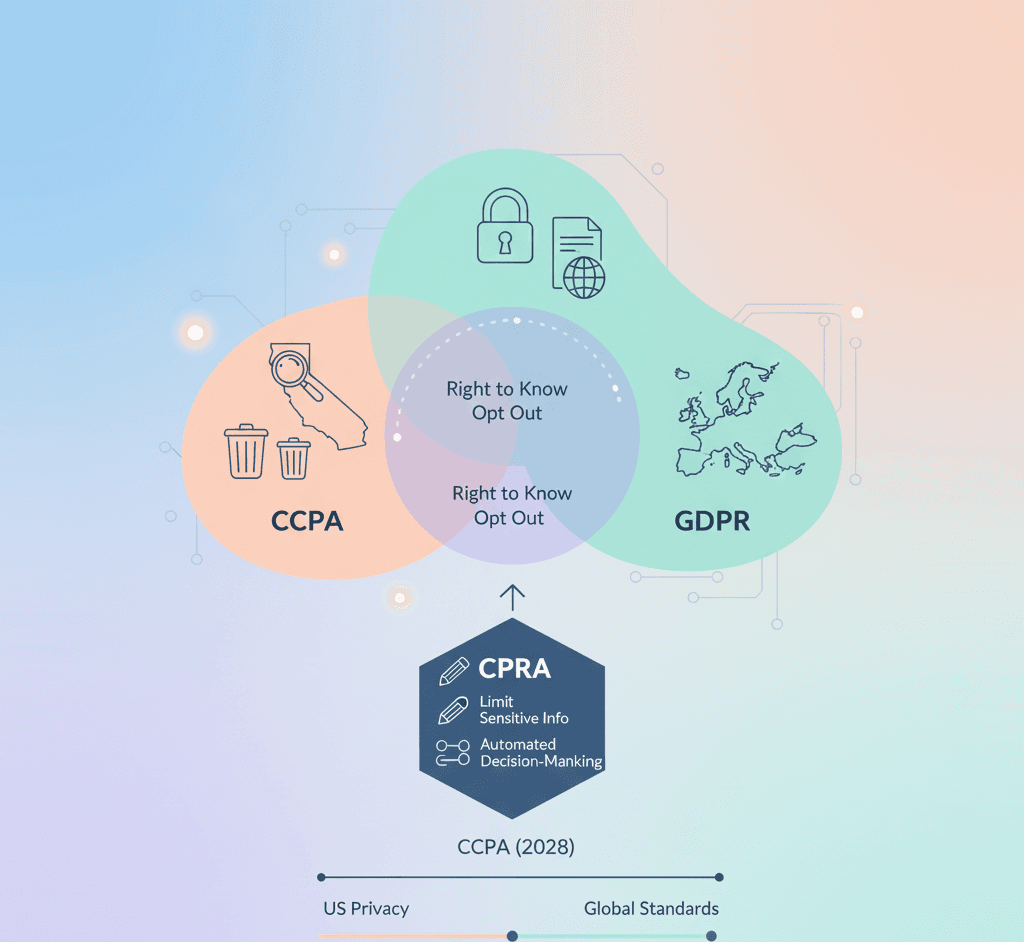
Consumers can now request corrections to inaccurate information, and opt out of both selling and sharing data (especially for targeted advertising). Your processes must allow fast, trackable responses. To meet these standards, conduct a CPRA readiness assessment and compare your processes to CRA vs. CCPA requirements.
4. Create a Data Retention & Minimisation Policy
Collect only what you need — and don’t keep it longer than necessary. The CPRA makes this a legal requirement. Document your retention timelines and share them with consumers through your CCPA compliance privacy policy.
5. Strengthen Vendor Management
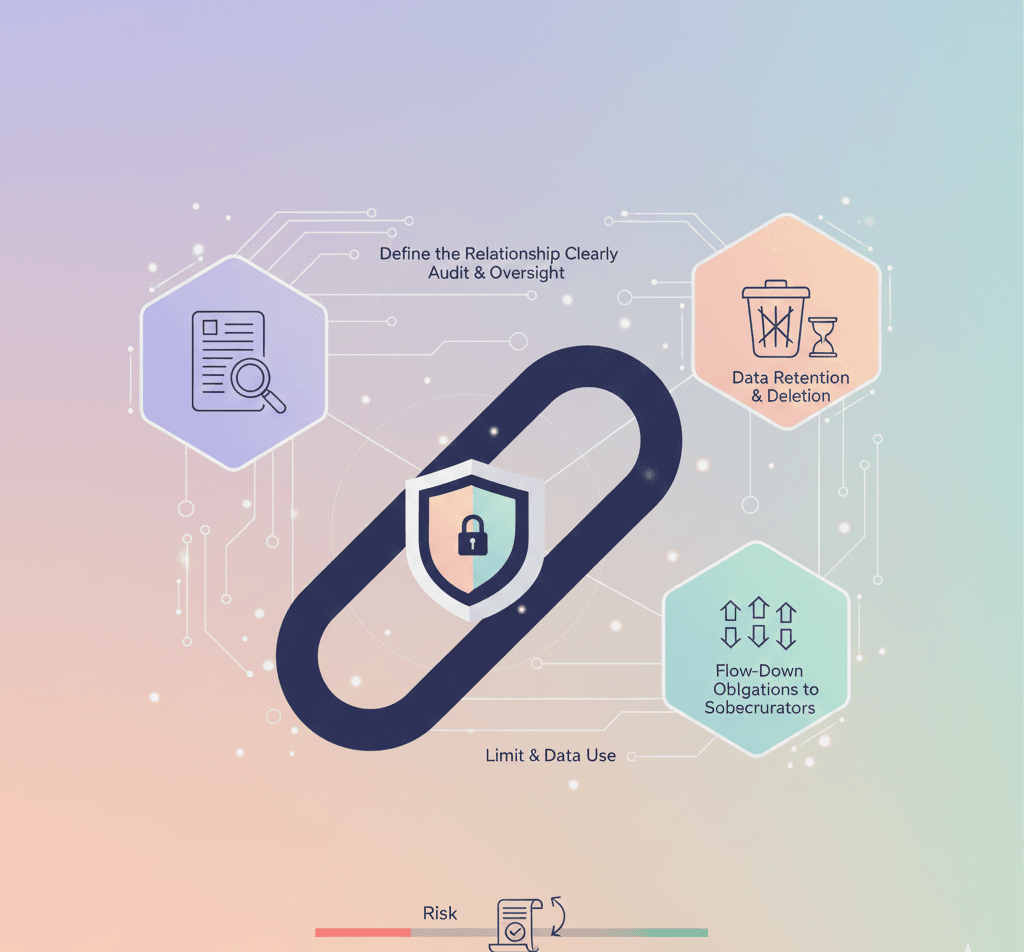
Your contracts must reflect CPRA obligations. Service providers and contractors need clear limits on how they handle consumer data, along with responsibilities for deletion, retention, and security. This is a cornerstone of modern CRPA compliance and an area where many organisations fall short.
6. Monitor and Prepare for Audits
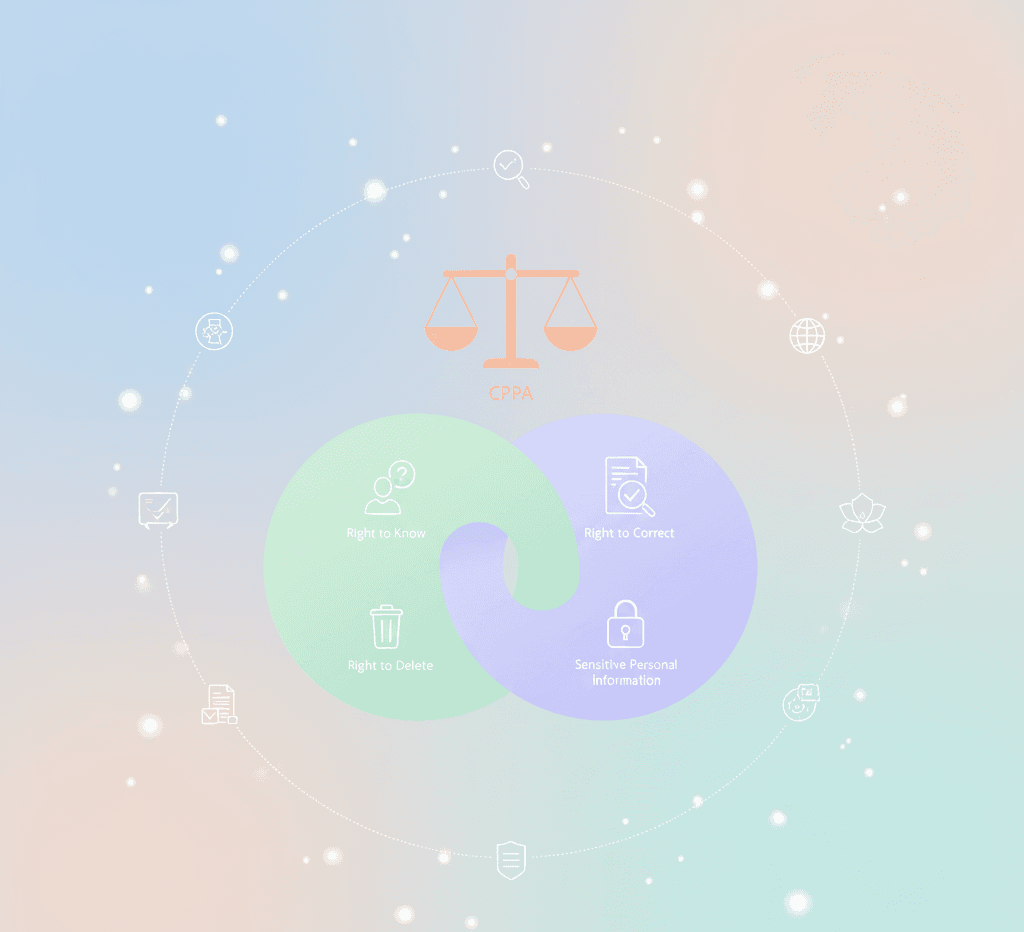
The California Privacy Protection Agency (CPPA) will conduct audits and issue penalties. Regular risk assessments and compliance monitoring will help your business stay ahead of potential issues and maintain strong compliance with CCPA controls.
Conclusion
Compliance isn’t just about avoiding penalties — it’s about showing your customers that you respect their privacy. By following this CCPA compliance checklist, businesses can stay compliant in 2025 while building lasting trust in the digital economy.