.svg)
.svg)
.svg)
Compliance in Action: What CCPA and CPRA Have Taught Us
Discover key lessons from CCPA and CPRA to strengthen ccpa compliance, protect consumer data, update policies, and meet evolving California privacy rules.
Accorp Compliance Team
Our team of compliance experts specializes in PCI DSS, SOC 2, and other security frameworks to help businesses achieve and maintain compliance.
In today’s data-driven world, CCPA compliance and CPRA compliance are more than just legal requirements — they’re a critical business obligation. Organisations must implement a CCPA-compliant privacy policy, perform CPRA readiness assessments, and keep up with CCPA data compliance to protect the personal information they collect and process. Failing to do so can lead to hefty fines and a loss of public trust. As California leads the way with evolving privacy laws, organisations need to understand the differences between CPRA and CCPA and act accordingly.
What Is the CCPA?
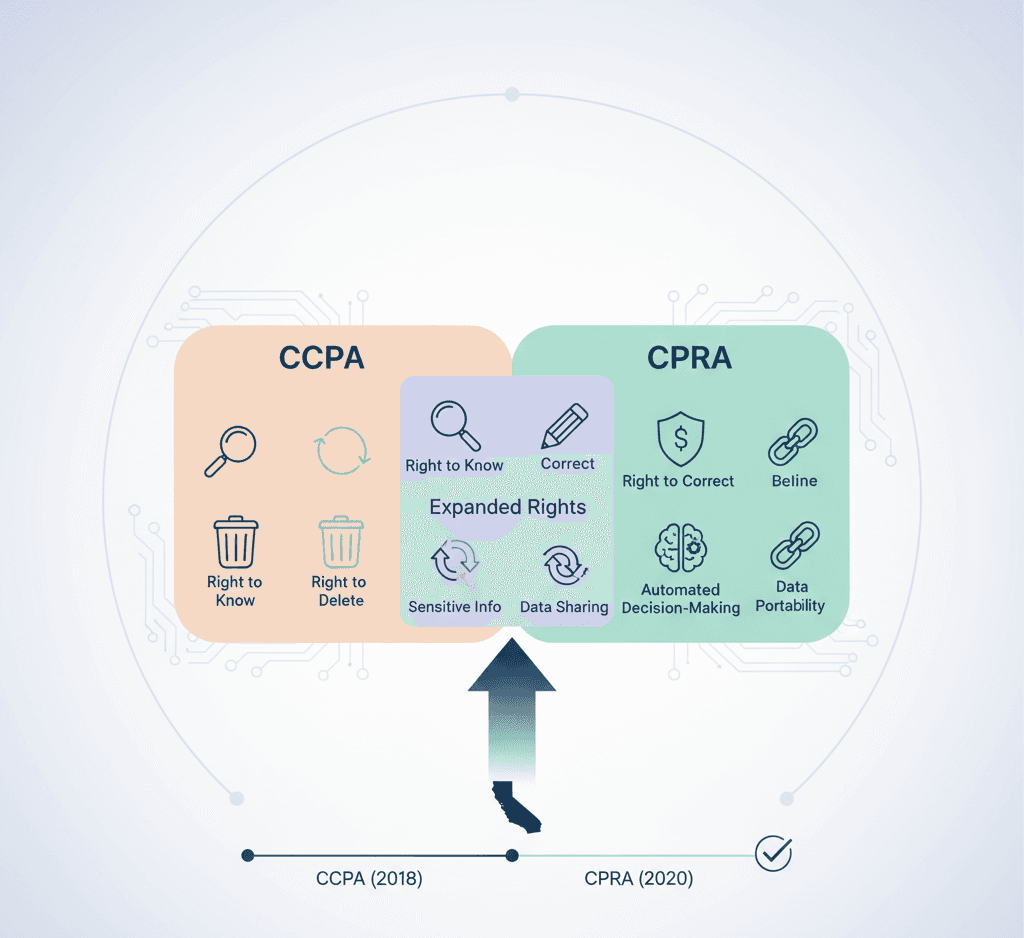
The California Consumer Privacy Act (CCPA), enacted in 2018, marked a significant step forward in U.S. privacy law. It gives California residents specific rights over how their personal information is collected, used, and shared.
Key consumer rights under the CCPA include:
Right to Know: Consumers can request details about how their data is collected, used, shared, and sold.
Right to Delete: Consumers can request deletion of their personal information, with certain exceptions.
Right to Opt-Out: Consumers can opt out of the sale of their personal information.
Right to Non-Discrimination: Businesses cannot discriminate against consumers who exercise their CCPA rights.
The compliance with CCPA rules applies to businesses that meet any of the following thresholds:
Annual gross revenue over $25 million
Buy, receive, sell, or share the personal information of 50,000 or more consumers
Derive 50% or more of their revenue from selling personal data
To stay compliant, businesses must also provide a CCPA-compliant privacy policy explaining their data practices and how consumers can exercise their rights. Maintaining robust CCPA data compliance practices and using a practical CCPA compliance checklist helps businesses demonstrate accountability.
What Is the CPRA and Why Does It Matter?
The California Privacy Rights Act (CPRA), passed in 2020 and enforced from July 1, 2023, is not a separate law but an amendment that enhances the CCPA. It expands consumer rights and establishes the California Privacy Protection Agency (CPPA) as the enforcement body. Organisations that already follow CCPA compliance must now review their policies and update them to meet CRPA compliance requirements as well.
What’s New in CPRA?
Expanded Consumer Rights - The CPRA introduces new rights, including:
Right to Correct: Consumers can request corrections to inaccurate personal data.
Right to Limit: Consumers can limit the use and disclosure of their sensitive personal information (SPI), such as geolocation, race, health, or financial data.
Right to Data Portability and Access: Consumers can access and request the transfer of their data.
Right to Opt-Out of Automated Decision-Making: Individuals can refuse profiling that affects decisions regarding employment, financial status, health, or behaviour.
Sensitive Personal Information (SPI) - Unlike the CCPA, the CPRA introduces SPI as a new category of data. Businesses must offer additional protections for this information, which includes:
Social security and driver’s license numbers
Precise geolocation
Racial or ethnic origin
Biometric or genetic data
Email contents and sexual orientation
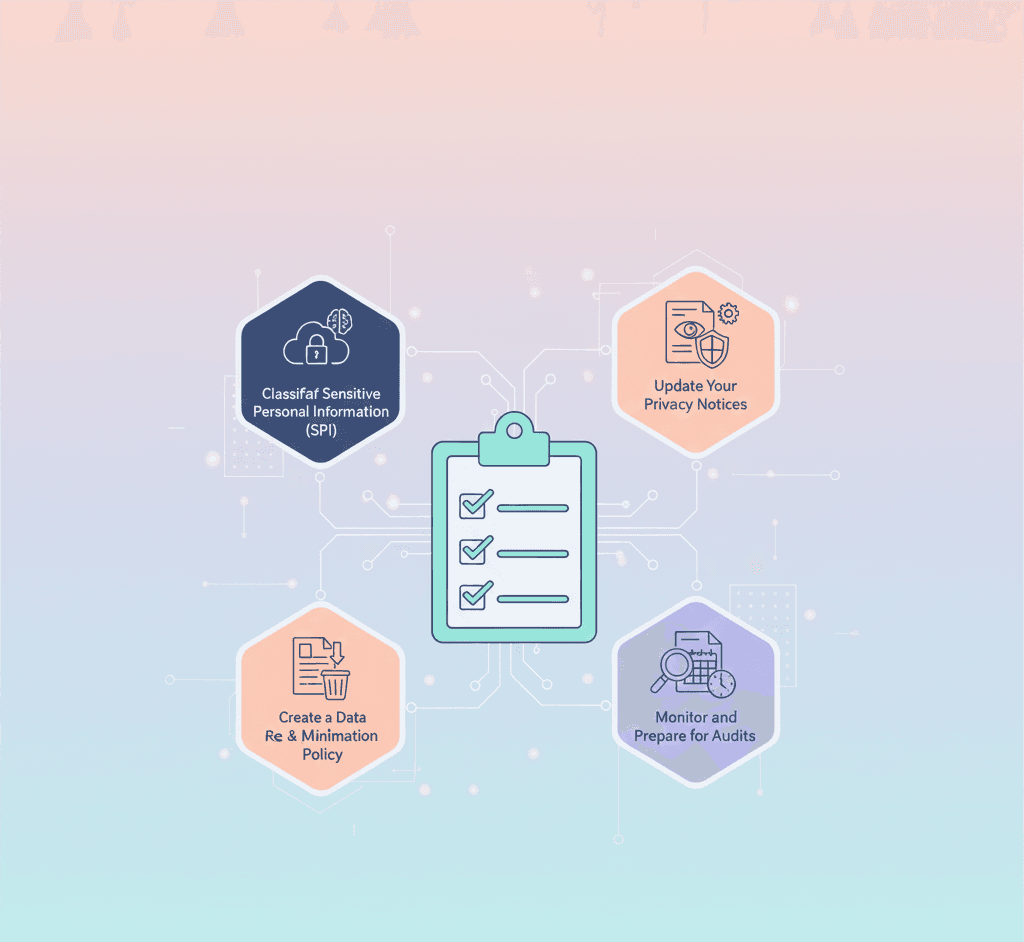
This change demands a detailed CCPA compliance checklist for data classification and access management, and often requires updated CPRA data mapping to show where SPI resides.
California Privacy Protection Agency (CPPA) - The CPRA established the CPPA, an independent agency responsible for:
Enforcing privacy laws
Conducting audits
Educating the public
Making new rules
This marks a shift from enforcement under the Attorney General to a dedicated privacy-focused authority.
Higher Fines for Violations Involving Minors - The CPRA increases penalties for mishandling the data of minors under 16, from $2,500 to $7,500 per violation. This underlines the importance of managing consent correctly, especially for underage users.
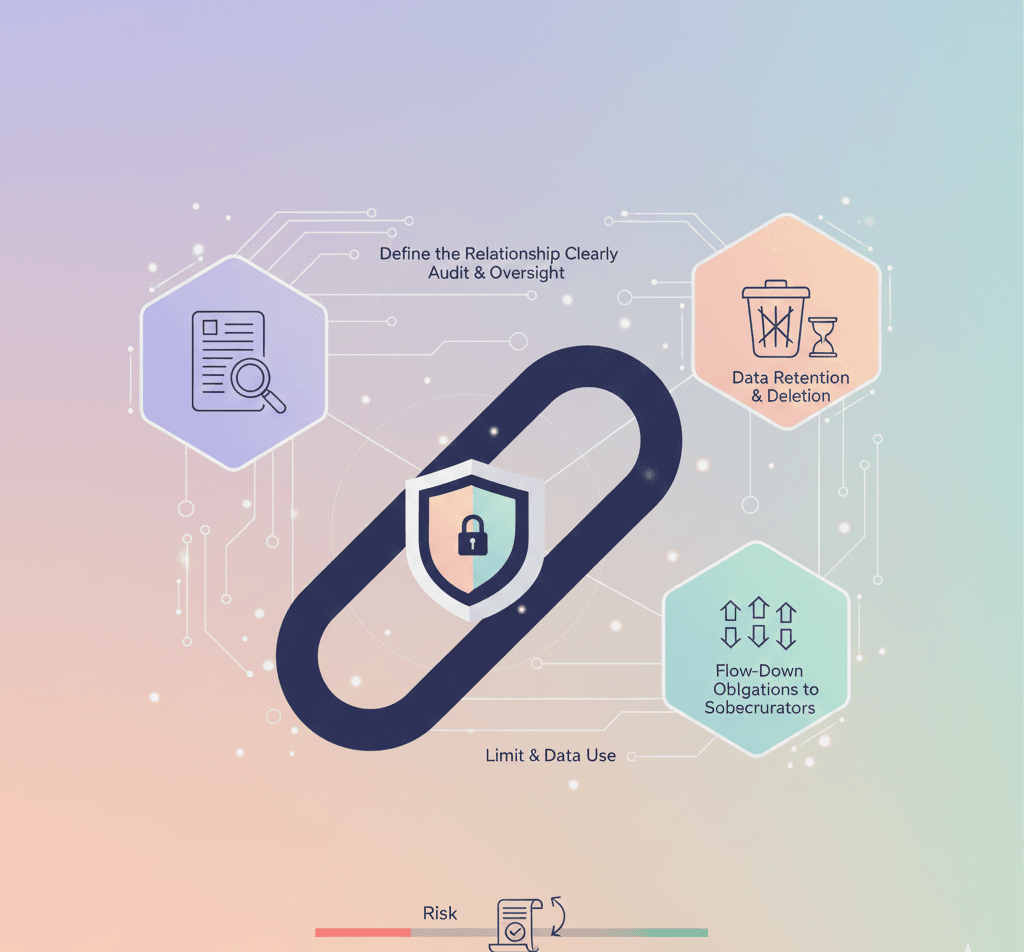
Tighter Third-Party Contracts - Businesses must now ensure that their third-party vendors and service providers follow the same CPRA requirements. Contracts must:
Specify the purpose of data use
Require CPRA compliance from partners
Provide mechanisms for monitoring and enforcement
This is a major consideration in any CCPA CPRA compliance checklist and should be reflected in your CCPA compliance privacy policy and vendor agreements.
Are the CCPA and CPRA Different?
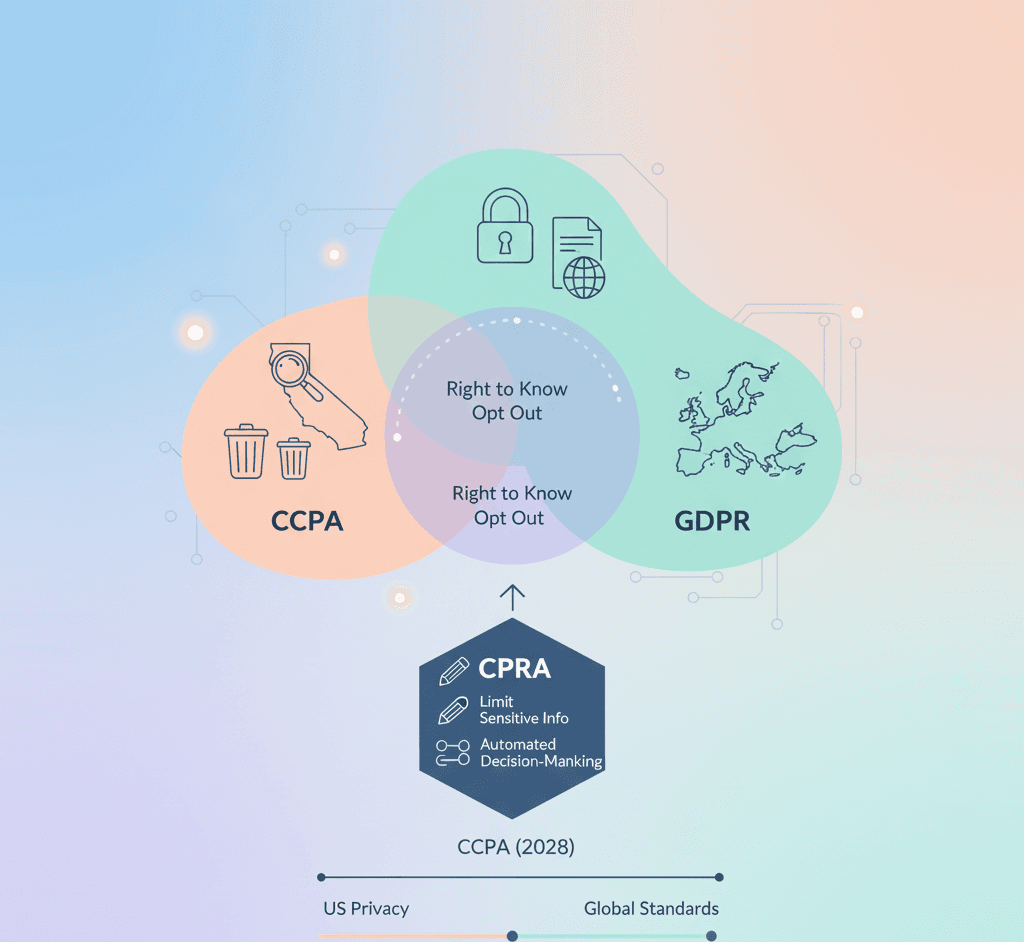
Technically, CPRA is an amendment to the CCPA, not a standalone law. However, it introduces significant enhancements to strengthen consumer rights and corporate accountability. In essence, if your business was subject to the CCPA, it likely needs to now meet CPRA compliance as well. Understanding CPRA vs CCPA is critical for accurate implementation.
Why CPRA Compliance Matters Now
The enforcement of CPRA means there are no more grace periods. If your business processes data of California residents, you must:
Update your privacy policy to be CCPA compliant
Establish internal processes to respond to data subject requests using a CCPA CPRA compliance checklist
Implement consent mechanisms for minors and SPI
Review and revise contracts with third parties and vendors to ensure CCPA data compliance
Document security practices to avoid liability in case of breaches
Conclusion
As privacy laws evolve, so should your organisation’s compliance efforts. The CCPA and CPRA set the benchmark for how businesses should handle consumer data in the U.S. To ensure your business is prepared, follow a comprehensive CCPA/CRA compliance checklist, consult with legal and data privacy professionals, and implement technology solutions that automate compliance tasks. Consider conducting a formal CPRA readiness assessment to validate your controls and readiness.
Accorp helps organisations like yours stay ahead of changing regulations with expert-driven privacy solutions. Whether it’s drafting a CCPA-compliant privacy policy, implementing third-party data governance, or handling consumer data requests, our team ensures you're covered—now and in the future.