.svg)
.svg)
.svg)
CPRA vs. CCPA & GDPR: What Sets California’s New Privacy Law Apart?
Compare CPRA, CCPA, and GDPR to strengthen ccpa data compliance and prepare your business for evolving privacy rules and consumer data rights.
Accorp Compliance Team
Our team of compliance experts specializes in PCI DSS, SOC 2, and other security frameworks to help businesses achieve and maintain compliance.
As the digital world evolves and data becomes an increasingly valuable asset, the importance of protecting consumer information has never been higher. In response to growing concerns over privacy, many U.S. states are implementing privacy laws to give consumers more control over how their personal data is used and shared. At the forefront of this movement is California, a long-time leader in consumer data rights. For organisations preparing practically, a CCPA CPRA compliance checklist and a focus on CCPA data compliance are essential starting points.
With the introduction of the California Privacy Rights Act (CPRA), an amendment and expansion of the California Consumer Privacy Act (CCPA), businesses must rethink how they manage personal data. The CPRA is not just a minor update — it’s a major regulatory shift that organisations across industries must understand and prepare for using a reliable CCPA CPRA compliance checklist and run a CPRA readiness assessment where needed.
What Is CPRA and How Is It Different from CCPA?
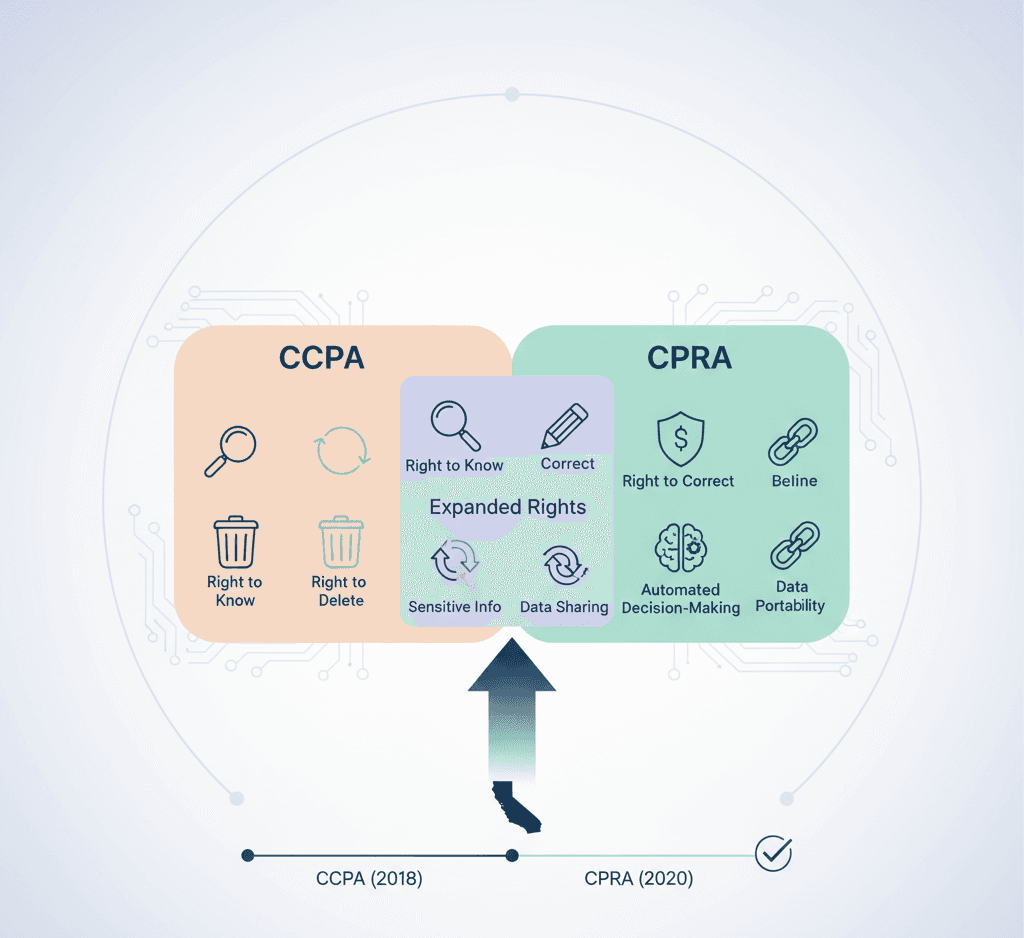
The CPRA, passed by California voters in November 2020 and effective as of January 1, 2023, builds on the original CCPA, which came into effect in 2018. While CCPA introduced foundational rights for California residents — such as the right to know what data is being collected and the right to opt out of data sales — the CPRA strengthens and expands these protections. Companies should update their CCPA-compliant privacy policy and ensure ongoing compliance with CCPA processes.
CPRA introduces new consumer rights, such as:
The right to correct inaccurate personal information.
The right to limit the use and disclosure of sensitive personal information, including data like health records, race, religious beliefs, and geolocation.
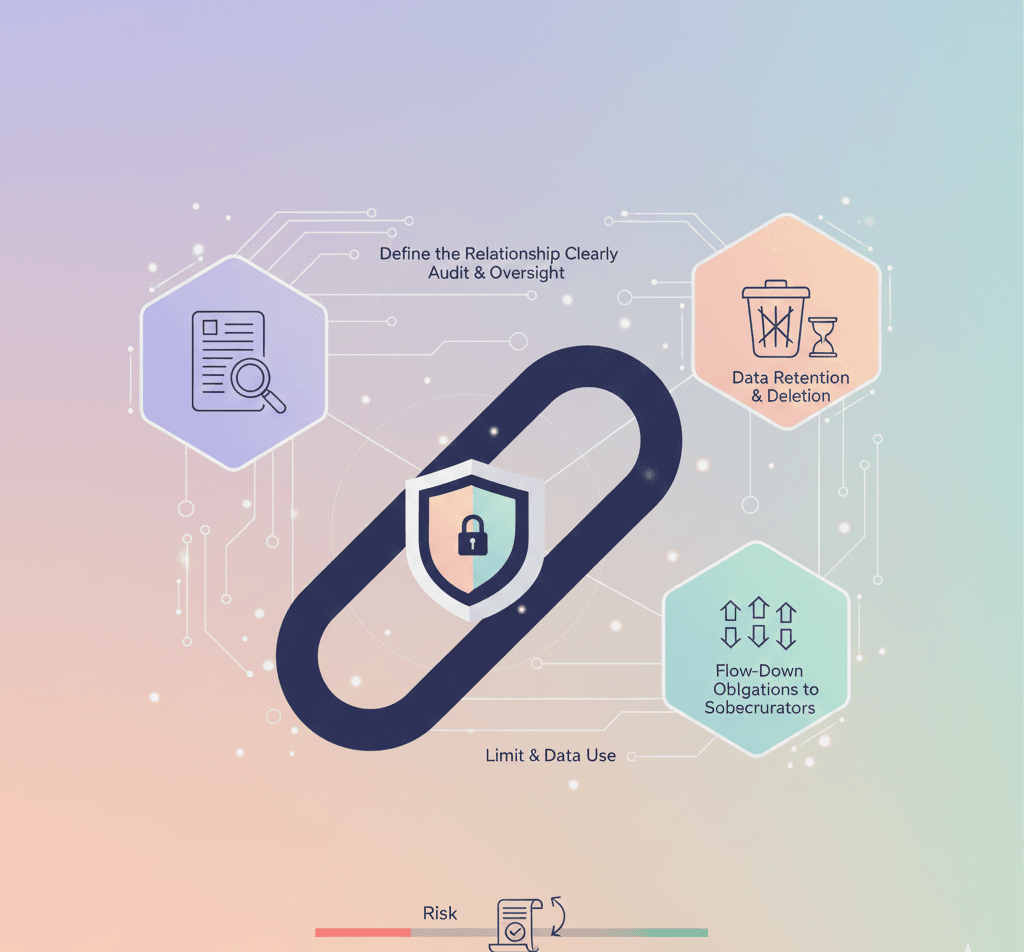
In addition, CPRA clearly defines the concept of “sharing” personal information — particularly as it relates to targeted advertising — and extends obligations to a new category: contractors. For proper implementation, organisations should document CPRA data mapping to track data flows and update vendor contracts.
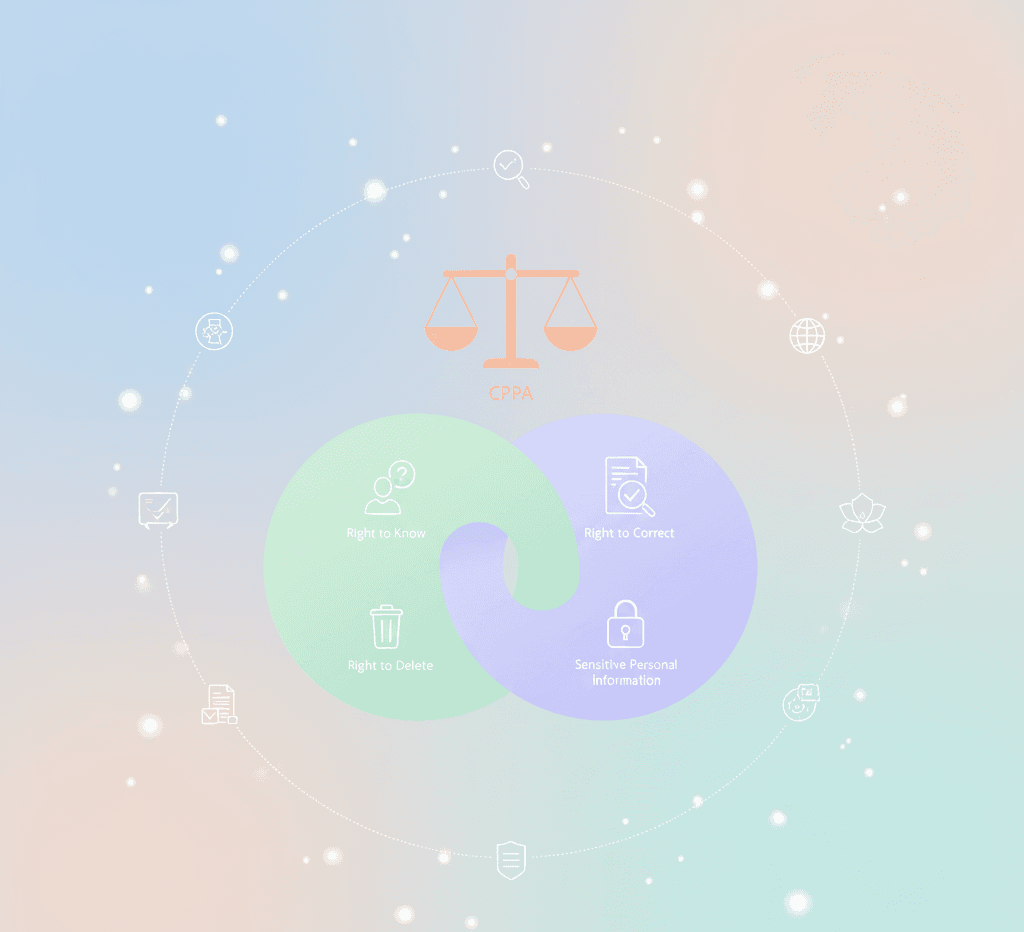
Importantly, CPRA also created the California Privacy Protection Agency (CPPA), an independent body dedicated to enforcing compliance with both CCPA and CPRA. For businesses, this means that simply having a CCPA-compliant privacy policy is no longer enough — it must now be updated to reflect the new requirements of CPRA and demonstrate robust CCPA compliance practices.
CPRA vs. GDPR: Key Differences
While the General Data Protection Regulation (GDPR) in Europe shares similarities with California’s data laws, there are critical distinctions.
For example:
Scope of Data: GDPR broadly defines personal data, creating a wider compliance footprint. CPRA narrows it with specific categories and introduces Sensitive Personal Information (SPI) as a regulated class.
Fines: CPRA allows for higher penalties than GDPR for certain violations — particularly for mishandling minors' data, where fines can reach $7,500 per incident.
These differences emphasise the need for a dedicated CPRA compliance strategy, especially for companies that handle consumer data from multiple jurisdictions and must maintain both GDPR and CCPA compliance controls.
Business Obligations Under CPRA
For businesses, the compliance with the CCPA and CPRA demands is more rigorous and transparent. Key obligations include:
Responding to consumer requests such as data deletion, correction, or limiting the use of sensitive data.
Maintaining a data inventory to track what personal information is collected, how it’s used, and who it’s shared with — a process supported by CPRA data mapping.
Updating internal data governance policies and third-party contracts in line with CPRA’s definitions of “sharing” and “contractors.”
Implementing and documenting these steps should be part of your CCPA CPRA compliance checklist and reflected in your CCPA compliance privacy policy documents.
Influence of CPRA on Other State Privacy Laws
The CPRA has become a blueprint for emerging privacy regulations across the United States. States such as Colorado, Connecticut, Utah, and Virginia have introduced privacy laws modelled, in part, after California's framework. These laws grant consumers rights to access, correct, and delete their personal data and to opt out of its sale.
This patchwork of state laws makes it even more critical for companies to adopt a centralised and scalable approach to privacy compliance. Whether or not you are headquartered in California, if your business handles personal data from California residents, you are expected to comply with CPRA and maintain CCPA data compliance.
How to Achieve and Maintain CPRA Compliance
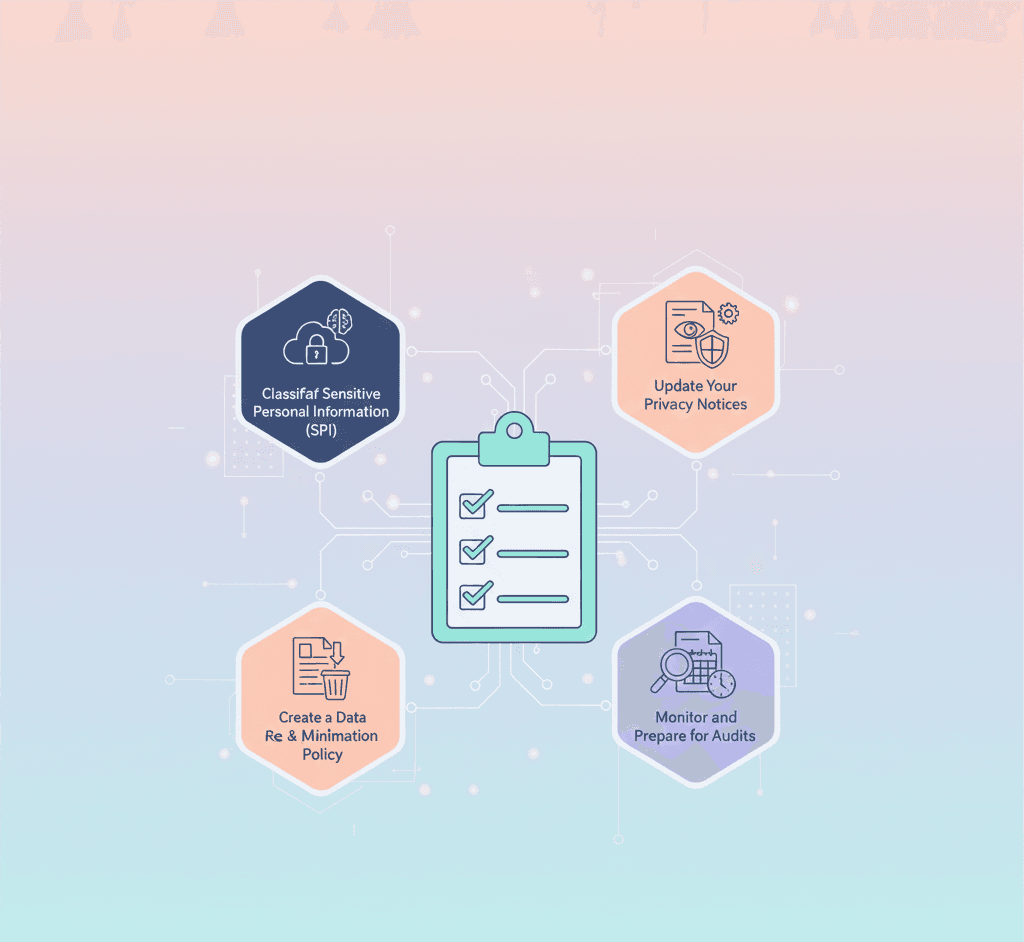
Staying compliant with CPRA starts with understanding your data exposure. Businesses should:
Conduct a privacy audit to map data flows and identify personal and sensitive personal information — maintain accurate CPRA data mapping.
Update privacy notices and internal policies to meet CCPA-compliant privacy policy standards under the new CPRA rules.
Implement tools and workflows to honour consumer rights, such as opt-out mechanisms and data correction portals — automate responses where possible as part of a CCPA CPRA compliance checklist.
Train employees on data privacy best practices and CPRA obligations.
Use automation to respond to data subject requests (DSRs) quickly and accurately.
At Accorp, we help companies navigate this complex landscape by offering tailored CPRA compliance consulting and data protection services. From policy creation to risk assessments and staff training, we offer comprehensive support to help you meet all CPRA obligations and demonstrate robust compliance with CCPA controls.
What’s Next for Data Privacy?
The CPRA is not the end — it’s the beginning. It signals a broader movement toward stronger data privacy standards not only in California but across the United States and globally. Businesses that delay compliance risk significant fines, reputational damage, and loss of consumer trust.
To stay ahead of the curve, organisations must treat privacy as a core component of their operations. That means investing in the right technology, legal expertise, and internal processes to ensure long-term compliance. Organisations should schedule a CPRA readiness assessment and maintain their CCPA CPRA compliance checklist as a living document.
Conclusion
If your business collects, processes, or shares personal data — especially from California residents — now is the time to act. Build a strong privacy framework, update your CCPA compliant privacy policy, and ensure your team understands the difference between compliance CCPA and the broader expectations of CRPA compliance (CPRA compliance). Use CPRA data mapping, perform a CPRA readiness assessment, and keep your CCPA CPRA compliance checklist current.
At Accorp, we’re here to help. Contact our data privacy consultants today to create your CCPA-compliant privacy policy, implement scalable compliance solutions, and stay ahead in this rapidly evolving legal landscape.