.svg)
.svg)
.svg)
Securing the Future of MedTech: How Cybersecurity is Reshaping Medical Device Compliance in 2025
Learn how cybersecurity shapes compliance for medical device manufacturing license India in 2025, with CDSCO rules for safer connected devices.
Accorp Compliance Team
Our team of compliance experts specializes in PCI DSS, SOC 2, and other security frameworks to help businesses achieve and maintain compliance.
The Digital Shift in Medical Devices
The MedTech industry is undergoing a digital transformation — from wearable health monitors to AI-assisted diagnostic systems, nearly every new medical device now connects to networks, apps, or cloud systems. This shift enhances patient care but also exposes sensitive data and device functionality to cyber threats.
By 2025, it’s estimated that 68% of medical devices will be network-connected, making cybersecurity not just a technical concern but a regulatory and patient safety requirement.
Rising Cybersecurity Threats in Healthcare
In recent years, ransomware attacks on hospitals and vulnerabilities in connected devices have led to serious consequences — including delayed treatments and compromised patient data. Recognising these risks, regulators worldwide, including the US FDA and India’s CDSCO, are tightening cybersecurity requirements for device manufacturers.
In January 2025, the FDA identified cybersecurity risks in certain patient monitoring devices, highlighting the growing urgency for proactive protection measures in MedTech.
India’s Growing Focus on Cybersecure Devices
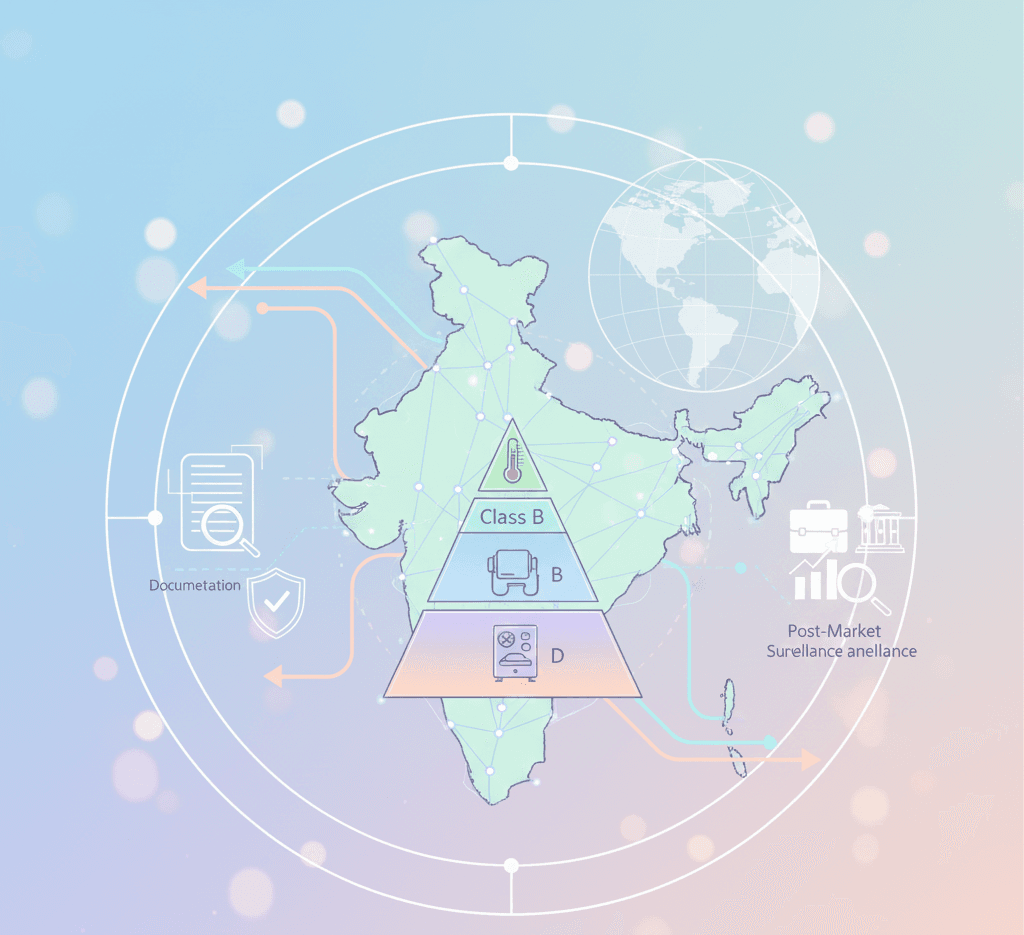
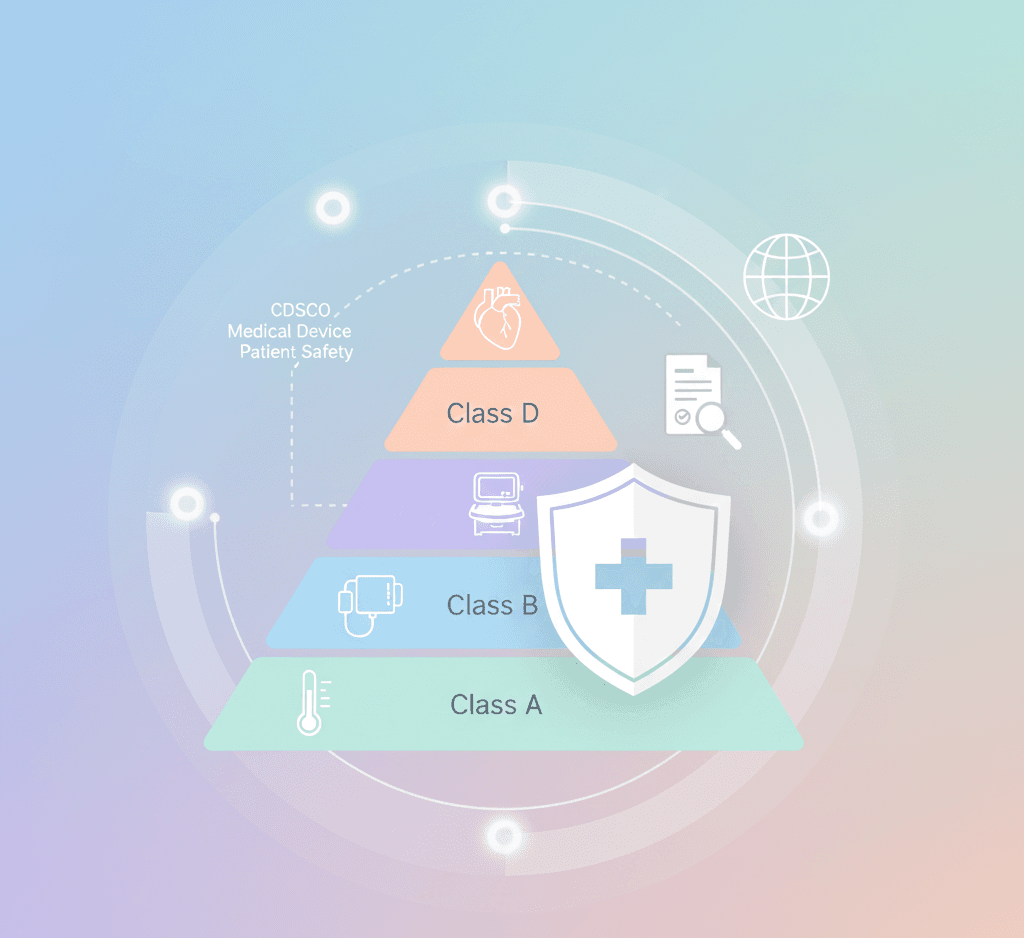
The Central Drugs Standard Control Organization (CDSCO) has begun emphasising cybersecurity in medical device licensing and post-market surveillance. Under India’s Medical Device Rules (MDR) 2017, manufacturers must now ensure that their devices:
Are designed with secure software architecture
Include risk-based cybersecurity assessments
Offer update mechanisms for firmware and software patches
Maintain detailed logs for post-market monitoring
For high-risk devices, cybersecurity documentation is now part of the technical dossier reviewed by regulatory authorities before approval.
What Manufacturers Must Do in 2025
To stay compliant and competitive, MedTech companies need to embed cybersecurity from the very first stage of product development. Key steps include:
Adopt a Secure-by-Design Approach – Integrate security controls during hardware and software design, not afterward.
Perform Regular Risk Assessments – Identify vulnerabilities and address them before device release.
Comply with Global Standards – Align with frameworks like ISO/IEC 81001-5-1, FDA’s cybersecurity guidance, and IEC 62304.
Strengthen Post-Market Vigilance – Monitor for threats, release timely patches, and maintain audit trails.
Train Staff and Partners – Ensure engineers, distributors, and healthcare clients understand cybersecurity best practices.
Global Synergy: India Aligning with International Norms
As India seeks to become a major MedTech hub, CDSCO is increasingly aligning its cybersecurity and safety standards with global benchmarks. This harmonisation helps Indian manufacturers not only meet domestic requirements but also gain faster access to regulated markets like the US, EU, and UK.
The government’s “Make in India” initiative, paired with digital infrastructure policies, encourages local innovation in secure and smart healthcare technologies.
Conclusion: Cybersecurity as a Core of Compliance
Cybersecurity is no longer optional — it’s a cornerstone of medical device safety and compliance. In 2025, manufacturers that prioritize secure design and transparent data management will not only meet evolving regulations but also build trust with patients and healthcare providers.
In the new era of connected health, safety and security go hand in hand — and MedTech innovators must lead with both.