.svg)
.svg)
.svg)
How to Become GDPR Compliant: A Modern Guide for Data-Driven Companies
Achieve GDPR compliance with clear steps for data audits, security, DPO roles, and certification to protect EU data and meet global privacy standards.
Accorp Compliance Team
Our team of compliance experts specializes in PCI DSS, SOC 2, and other security frameworks to help businesses achieve and maintain compliance.
As cloud-based businesses continue to expand globally, ensuring GDPR compliance has never been more critical. The European Union's General Data Protection Regulation (GDPR) is at the forefront of global data privacy laws. For companies that handle the personal data of EU residents, GDPR compliance is not optional—it's a legal mandate. In this guide, we'll explore what GDPR means, why it's essential, and how your organisation can achieve full compliance, including through services like GDPR compliance as a service and GDPR attestation of compliance.
What Is GDPR?
The General Data Protection Regulation (GDPR) governs how businesses collect, store, and manage personal data of EU citizens. It grants users more control over their data and imposes strict regulations on organisations handling such information. Personal data includes names, addresses, emails, IPs, and more.
GDPR applies to any organisation processing the data of EU residents, regardless of where the company is located. This includes cloud-hosted and B2B companies that serve or monitor users in the EU. Today, many businesses are adopting hybrid models like GDPR CCPA compliance to cover data privacy laws both in the EU and the U.S.
Why GDPR Compliance Is Critical
Non-compliance can lead to heavy penalties—up to €20 million or 4% of global annual turnover. Beyond penalties, companies risk reputational damage and legal claims. With cloud computing on the rise, GDPR compliance for cloud-hosted companies is now a business imperative.
Key GDPR Concepts
Data Subject: The individual whose data is being collected.
Data Controller: Entity determining the purpose and means of processing.
Data Processor: Third-party handling data for the controller.
DPO (Data Protection Officer): Required for large-scale data processing.
Companies looking to modernise their privacy function may even consider GDPR auditor certification or hiring a GDPR auditor to ensure full alignment and readiness.
Who Must Comply?
Companies must comply if they:
Serve an EU customer base
Market products to EU residents
Employ EU workers
Accept payments in Euros
This includes SaaS companies, e-commerce businesses, and healthcare organisations. Emerging markets like India are also aligning with EU-style data laws through frameworks like DPDPA global data protection and DPDPA compliance services, especially for companies working with EU data ecosystems.
Steps to Achieve GDPR Compliance
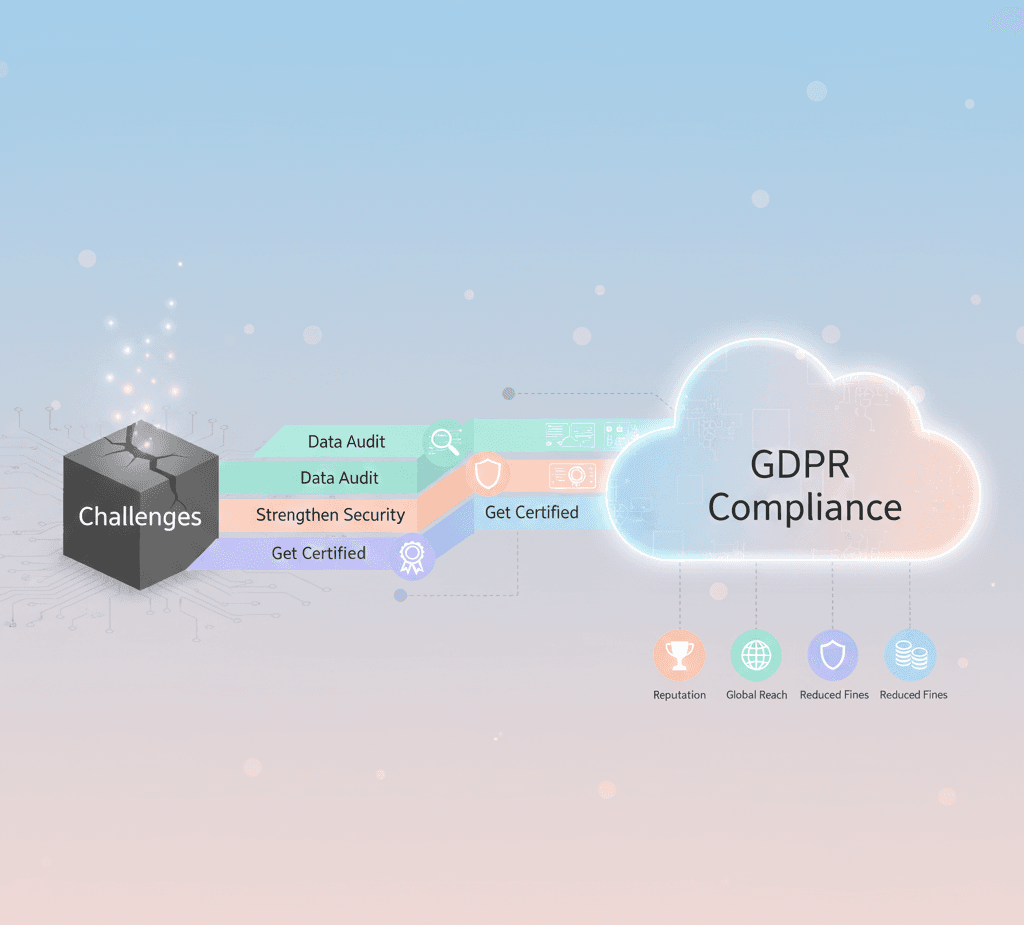
Conduct a Data Audit - Review what data is collected, how it’s used, and where it flows.
Appoint a Data Protection Officer - Required if your company conducts wide-scale or sensitive data processing.
Update Privacy Policies - Make policies transparent and user-friendly.
Strengthen Technical Security - Encrypt data, use access controls, and ensure privacy by design.
Review Third-Party Vendor Contracts - Ensure third parties are GDPR compliant.
Establish Breach Notification Procedures - Demonstrate capability to report breaches within 72 hours.
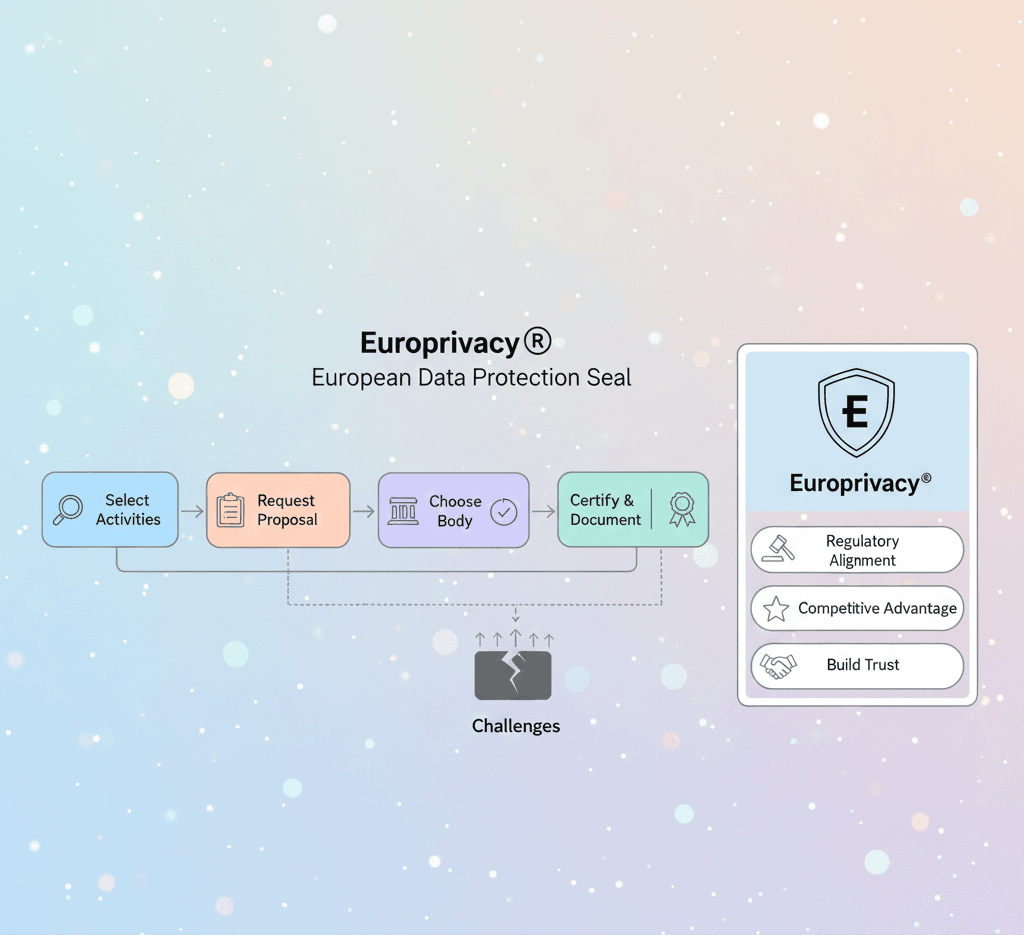
Get Certified - Companies can pursue GDPR attestation of compliance to showcase trustworthiness.
Some organisations outsource this effort by opting for GDPR compliance as a service to streamline documentation, audits, and monitoring.
GDPR vs CCPA
If your business is international, you may need both GDPR and CCPA compliance to avoid penalties under the data privacy laws of both regions. Leveraging integrated frameworks can reduce redundancy and increase alignment.
Real-World Examples of GDPR Breaches
British Airways fined €20 million
Marriott Hotels paid £18.4 million
Google fined €57 million
Such cases highlight the importance of early DPDPA risk assessment, especially for companies operating in multiple jurisdictions.
Conclusion
Whether cloud-native or enterprise-scale, every modern business must prioritise GDPR compliance. Consider leveraging GDPR compliance as a service and obtaining GDPR attestation of compliance to ensure not only legal alignment but also market leadership in data privacy. If global coverage is your goal, platforms offering both GDPR and DPDPA compliance services can further fortify your data protection posture and prepare you for evolving privacy regulations worldwide.