.svg)
.svg)
.svg)
Step-by-Step Guide to ISO 9001 Certification for Businesses
Follow this step-by-step ISO 9001 audit guide to streamline certification, improve quality, and ensure your business meets global standards.
Accorp Compliance Team
Our team of compliance experts specializes in PCI DSS, SOC 2, and other security frameworks to help businesses achieve and maintain compliance.
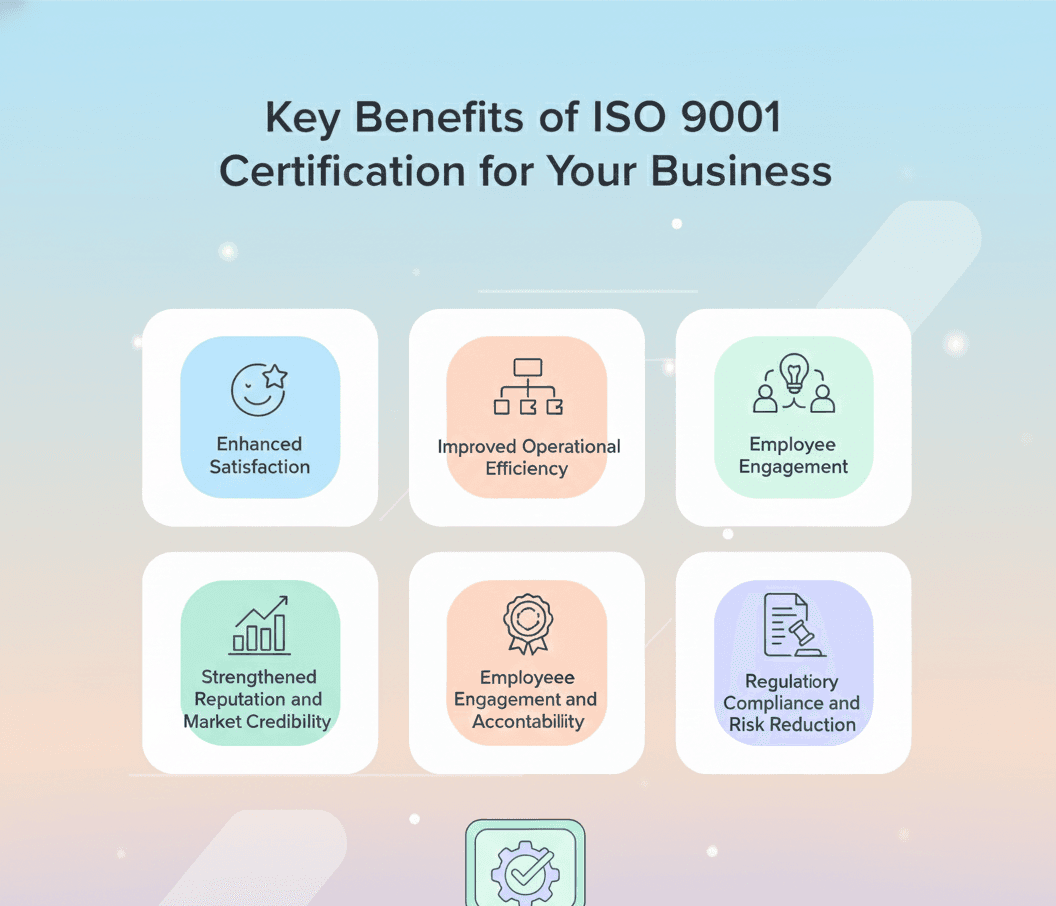
ISO 9001:2015 certification is the global benchmark for Quality Management Systems (QMS). It provides businesses with a structured approach to improve quality, optimise processes, and enhance customer satisfaction. Whether you are a CPA firm, IT service provider, or manufacturing company, ISO 9001 certification demonstrates your commitment to excellence and operational efficiency.
Why a Step-by-Step Approach Matters
Achieving ISO 9001 certification may seem complex, but following a structured process ensures smooth implementation, minimal disruption, and maximum benefits. With a clear roadmap, businesses can identify gaps, implement improvements, and prepare for audits with confidence.
Step 1: Conduct a Gap Analysis
The first step involves reviewing your current processes against ISO 9001 requirements. Identify areas where your organisation meets standards and where improvements are needed. This analysis helps create a targeted plan for certification readiness.
Step 2: Planning & Documentation
Develop a roadmap for ISO 9001 implementation, including timelines, responsibilities, and resources. Document all necessary processes, quality policies, and procedures. Proper documentation ensures consistency and provides a reference for audits.
Step 3: Implement the Quality Management System
Once documented, processes are implemented throughout the organization. Employee training is crucial at this stage to ensure everyone understands their responsibilities in maintaining quality standards. Clear communication and consistent application help embed a culture of quality.
Step 4: Internal Audit & Management Review
Internal audits help assess whether the QMS is functioning as intended. Any non-conformities are identified and corrected. Following audits, management reviews the system to ensure alignment with strategic goals, promoting continuous improvement.
Step 5: Certification Audit
An accredited external auditor evaluates your QMS against ISO 9001 standards. The auditor reviews documentation, observes processes, and interviews staff. Successful completion of this audit results in ISO 9001 certification, officially recognizing your organization’s quality management excellence.
Step 6: Continuous Improvement
ISO 9001 is not a one-time achievement. Maintaining certification requires ongoing monitoring, internal audits, and process enhancements. Continuous improvement ensures that your organization remains efficient, compliant, and competitive over time.
Why Partner with Accorp Partners
As a U.S.-based CPA firm, Accorp Partners combines industry expertise with global best practices to guide businesses through ISO 9001 certification efficiently. From initial assessment to audit preparation and post-certification support, we provide end-to-end solutions tailored to your organization. Our team ensures that the process is smooth, compliant, and aligned with your business goals.
Conclusion
ISO 9001 certification is a strategic investment that strengthens operational efficiency, client trust, and competitive positioning. By following a step-by-step approach and leveraging expert guidance from Accorp Partners, businesses can achieve certification faster and sustain quality improvements long-term.